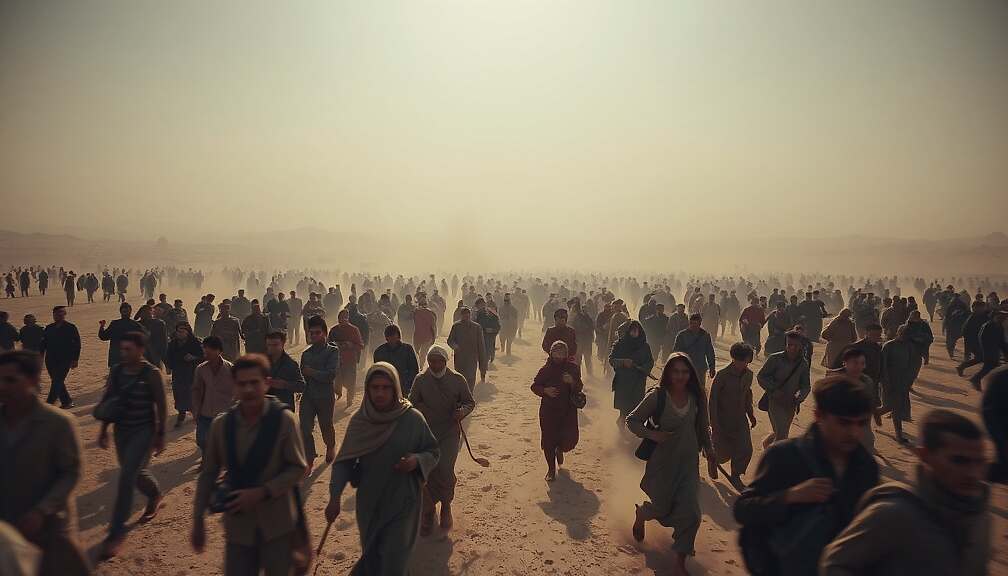
On the eve of the 75th anniversary of the Geneva Refugee Convention next Tuesday, the UN Refugee Agency (UNHCR) stated that the world’s asylum system is facing mounting pressure. Marking the anniversary, UNHCR appealed for a renewed commitment to the right of asylum, stronger international cooperation, and increased support for both refugees and the communities hosting them.
According to Elizabeth Tan, UNHCR’s Director for International Protection and Solutions, the convention-which was signed on July 28, 1951-remains one of the most significant international legal instruments ever adopted. She highlighted that in the wake of World War II, the convention enshrined a simple yet powerful principle: individuals forced to flee due to conflict, persecution, or violence must be afforded safety and protection.
However, Tan noted that the global asylum system is under immense strain. She revealed that nearly 70 percent of refugees are being hosted by low- and middle-income countries, many of which are simultaneously grappling with their own economic and developmental challenges. Furthermore, seven out of ten refugees have been living in exile for five years or more.
Addressing arguments that the convention is no longer suitable for today’s globalized world, Tan countered that fair and efficient processes for determining refugee status are essential. These procedures, she explained, protect refugees, provide certainty to host communities, and maintain public trust in the asylum system. She stressed that while people who do not require refugee protection should not be granted asylum, they can and should be safely and with dignity repatriated.
Simultaneously, UNHCR emphasized that border management must continue to rely on the principle of protection. The agency expressed deep concern over practices that restrict access to asylum, including pushbacks, the refusal of territorial access, and forced returns.
Adding to these concerns, Tan disclosed that UNHCR was only 31 percent financed at the end of June. This severe funding shortage is currently limiting essential aid needed by people who have been forced to flee their homes.