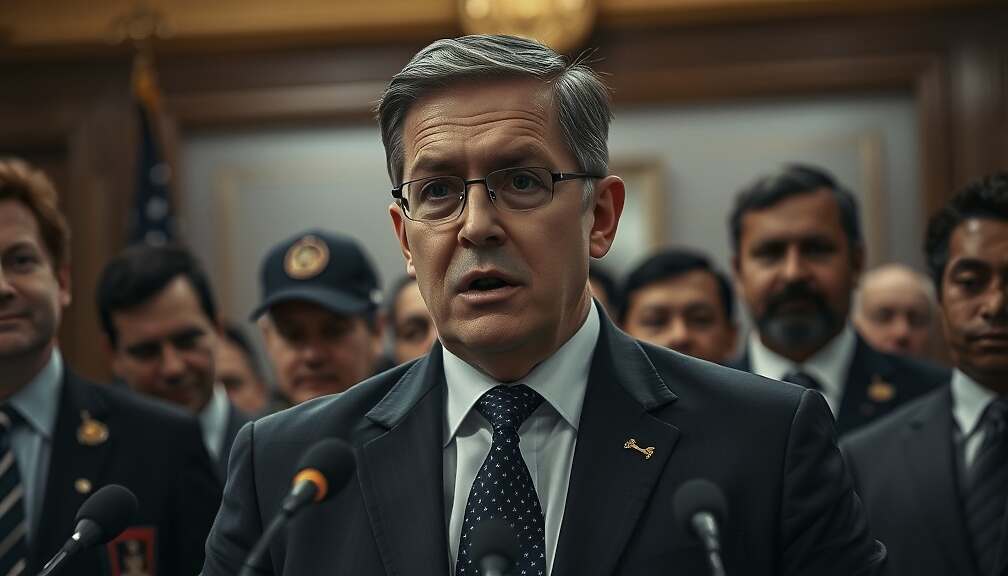
Thuringia CDU Minister-President Mario Voigt has strongly reaffirmed his demand for corrections to the planned pension reform. He stated to Stern that an expert commission cannot replace a political decision. He stressed that in German democracy, the federal government, Bundestag, and Bundesrat must weigh different interests against each other, which means that well-founded objections must be heard and seriously discussed.
Voigt said that the pension debate should not be framed as an “all or nothing” scenario. He believes that the actual living conditions in Eastern Germany are insufficiently considered in this discussion. For many people in the East, the statutory pension is the main pillar of their retirement security. Unlike in many Western German backgrounds, they often lacked corporate pensions, significant wealth, or inheritances.
The Minister-President further explained that a generation navigated enormous transformations after reunification and often accepted personal upheaval while working early. These experiences should not be ignored during any reform effort.
Despite this, Voigt signaled a willingness to negotiate. He affirmed that a pension reform is necessary, adding that immediate action is required to keep the aged security system stable in the long term.
The government head acknowledged that the current early retirement option, available after 45 years of contributions, is “not always accurately targeted” and has created side effects. Therefore, he proposed discussing transition regulations, hardship solutions, and improving target accuracy. A pension reform, according to him, must be financially viable, acknowledge individual contributions, and strengthen the cohesion between East and West Germany.