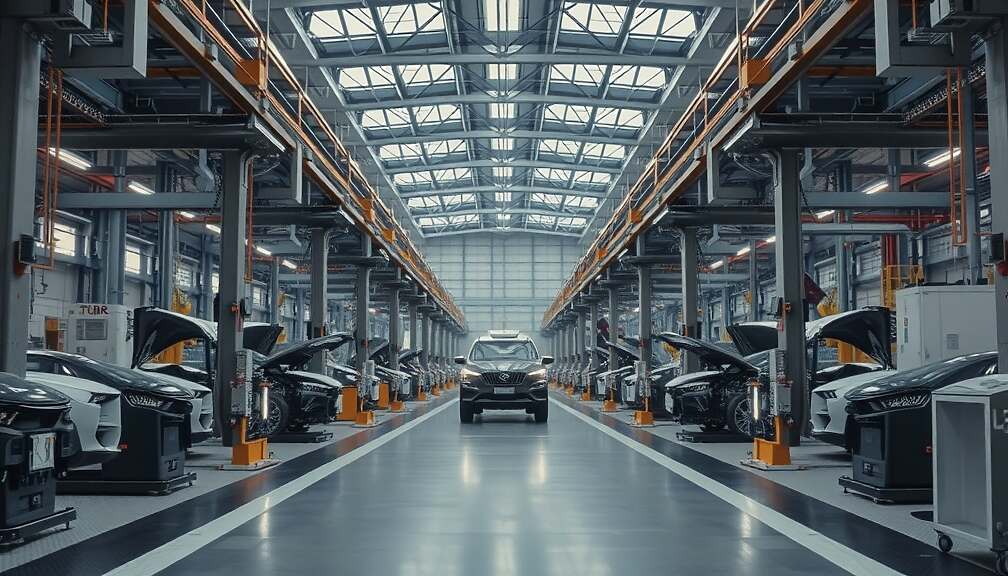
Volkswagen is reportedly heading towards further restructuring and cost reductions in Germany. According to the “Handelsblatt”, which cites sources within the corporate and supervisory boards, internal documents related to a control committee meeting scheduled for Monday identify several facilities as being particularly costly to operate. These include the VW plants in Emden, Zwickau, and Hannover, as well as Audi’s second-largest German facility in Neckarsulm.
The root cause of these concerns stems from ongoing oversupply. Although the group sells approximately nine million vehicles annually, its production capacity is designed for significantly higher volumes. Sources suggest that internally, a surplus of up to one million cars is considered excessive, representing the capacity of multiple plants.
This analysis is part of a comprehensive strategic roadmap for 2030, developed by the executive board, led by Group CEO Oliver Blume, in collaboration with the consulting firm BCG. The goal of this planning is to achieve an operational profit margin of 8 to 10 percent, thereby making the company more resilient against geopolitical risks and market weaknesses.
The scope of cost adjustments is expanding beyond merely models and platforms; factory operating costs are now in focus. Discussion points include shifting model production to other European countries, forming collaborations, or finding alternative uses for the sites. Although Blume has previously indicated that there are “more intelligent methods” than outright factory closures, the issue remains highly salient. Adding to the tension, the topic has gained political significance. Olaf Lies, the President of Lower Saxony (SPD) and also a member of the VW Supervisory Board, recently brought up Chinese investors as potential operators for certain facilities.