Escalating Tensions: Trump Announces Sweeping Sanctions Targeting Iran Business Partners
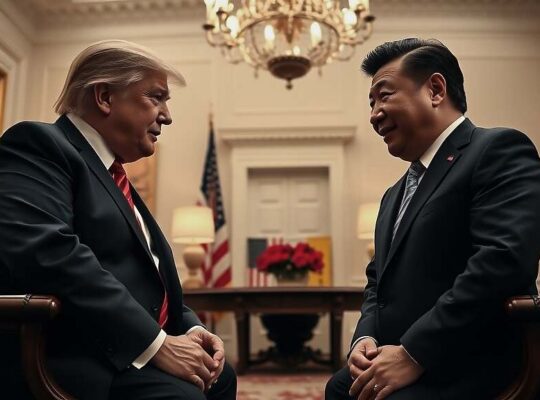
A renewed wave of political and economic pressure is set to impact international relations following an announcement by former US President Donald Trump. Utilizing his “Truth Social” platform, Trump declared the immediate imposition of a 25% tariff on all countries engaging in trade with Iran, a move critics are already labeling as destabilizing and potentially illegal under international trade law.
The directive, described by Trump himself as “final and unappealable” extends to all commercial transactions between targeted nations and the United States. While the legal authority underpinning this unilateral action remains unclear, the move signals a clear escalation in the former president’s long-standing policy of maximum pressure against the Iranian regime.
The timing of the announcement is particularly fraught. It follows weeks of widespread and violent protests across Iran, triggered by the death of Mahsa Amini while in the custody of the morality police. Human rights organizations, including Iran Human Rights (IHRNGO) based in Oslo, report a grim toll, estimating that at least 650 protestors have been killed and thousands injured in the 16 days since demonstrations began. These figures, though difficult to independently verify within Iran, paint a picture of a brutally suppressed uprising against the theocratic government.
This new tariff regime arrives amidst ongoing debates regarding the effectiveness and ethical implications of sanctions as a tool for promoting human rights and political change. While proponents argue that sanctions can cripple regimes funding illicit activities and provide leverage for reform, critics contend that they disproportionately harm vulnerable populations and can ultimately backfire, strengthening authoritarian control.
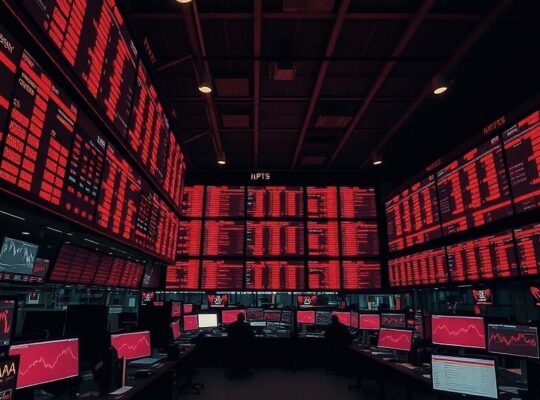
Analysts are currently assessing the potential economic consequences, both for the affected nations and for US businesses. The move risks further complicating already strained international relations and could be viewed as a challenge to existing trade agreements. Furthermore, the declaration’s unilateral nature raises concerns about the US’s commitment to multilateral diplomacy and the potential for retaliatory measures from other nations.
The question of whether Trump’s declaration will be adopted by any future administration remains to be seen, but its immediate effect is to inject fresh uncertainty and heightened tensions into the volatile relationship between the United States and Iran. The world now awaits to see how governments will respond to this assertive display of economic power and the implications it holds for the ongoing crisis within Iran.