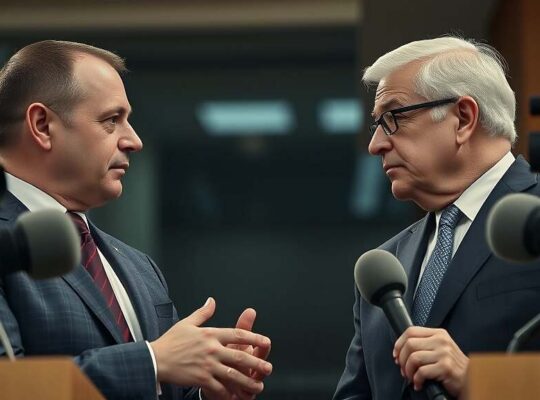
Clemens Fuest, president of the Ifo Institute, cautioned against government measures that aim to lower oil and gas prices for consumers. Speaking on Wednesday, he warned that eliminating price signals through discounts or tax cuts would be detrimental to the overall economy. Fuest further argued that the German economy must collectively bear the costs of higher world‑market prices, and that any relief on one front would need to be balanced by increased burdens elsewhere.
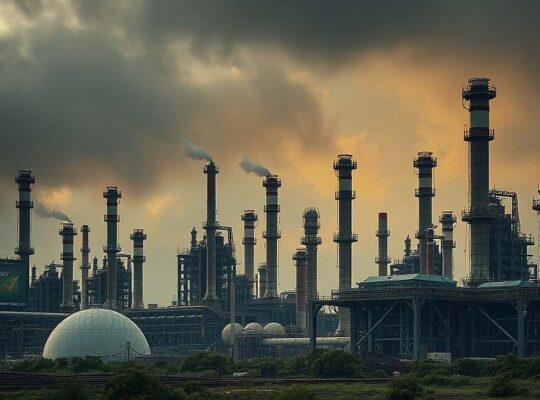
He explained that a higher oil price functions on the global scale like an extra tax: energy, transport and numerous goods become more expensive, pushing up inflation and potentially stifling growth. Germany cannot alter world‑market prices for oil or gas, but it can influence the price that German consumers pay, as domestic taxes are embedded in those prices.
Fuest noted that the government could, for example, reduce the excise duty on petroleum or the value‑added tax on oil and gas. However, such cuts would not lower the fundamental macroeconomic cost of these fuels. Any tax relief would have to be financed elsewhere-either through higher taxes on other items or by cutting state benefits.
He also stressed that scarcity of oil and gas, which can temporarily raise prices, serves as an important signal to consumers: when availability is limited, prices go up, encouraging those who can to use less. One of the great strengths of a market economy, he said, is that price changes create incentives for people to alter their buying habits.
Fuest added that those who consume the most fossil fuel and cannot easily switch are most affected by price increases, a problem that is especially painful for poorer households. While broad cuts in energy taxes are not a precise tool for helping the needy, he argued that constantly calling on the state to absorb every tax burden forgets that a functioning economy ultimately requires a certain level of individual responsibility.