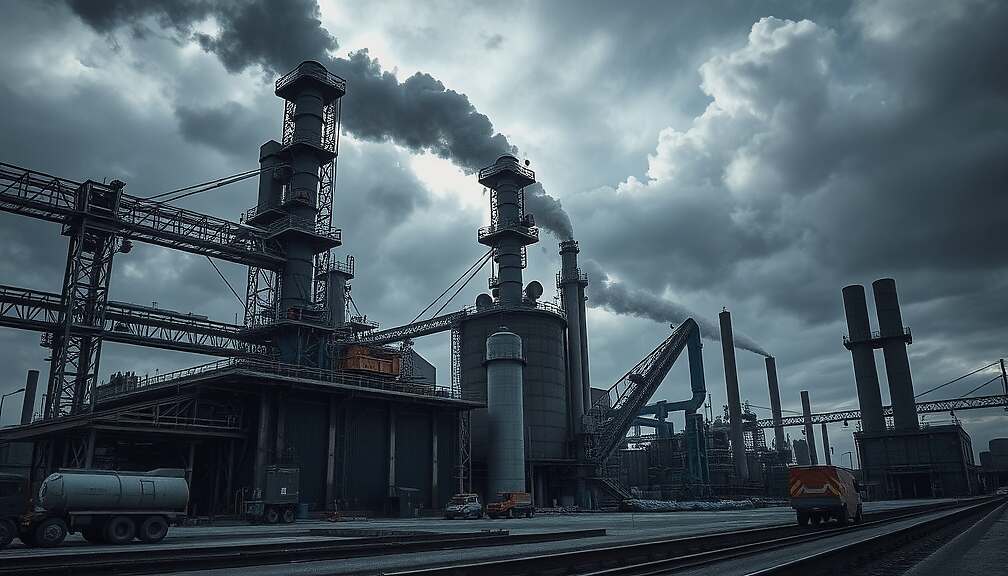
Thyssenkrupp CEO Miguel López stated that the company will not sell its steel division to the Indian conglomerate Jindal for all levels of interest. “I will not dump the steel” López told “Spiegel”, emphasizing that this stance applied broadly.
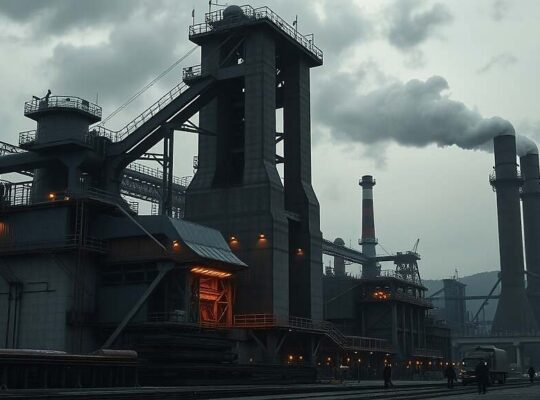
Despite López’s reservations, talks with Jindal continue, as Thyssenkrupp remains committed to giving away the majority ownership of Thyssenkrupp Steel. However, López noted that the valuation for the company has “improved considerably” stating that he sees an “excellent future” for the steel business. This optimism is underpinned by several factors: a newly agreed-upon restructuring collective bargaining agreement with employees, the planned divestment of the stake in the Krupp Mannesmann blast furnaces (HKM) to Salzgitter, and the new EU steel protection tariffs.
While the company has negotiated with Jindal for months, recent discussions have reportedly stalled, according to sources within the corporate group. López explicitly ruled out a merger with German competitor Salzgitter as a fallback plan should talks with Jindal fail, declaring, “Not under any circumstances”.
López explained that Thyssenkrupp’s aim is not to expand capacity, but rather to produce a lower quantity of steel that is modern, efficient, environmentally friendly, and profitable. He asserted that this goal is now genuinely achievable, claiming it will make the company “stronger than the smaller German providers”.
Adding a layer of criticism without naming individuals, López spoke about his predecessors, stating, “When I started, I found much shattered porcelain” and adding that before 2023, “value was destroyed in dimensions that were truly terrible”.
On the topic of broader policy, López demanded increased support from European political frameworks, arguing that a “Made in Europe” approach is necessary for a resilient continent. While steel is undeniably needed and can be produced cleanly, he criticized the EU Commission’s proposed “Buy European” rules, which mandate that a minimum proportion of materials must be sourced within Europe when the state funds construction or promotes electric vehicle purchases. He dismissed the idea of the Commission stipulating exclusively European green steel, suggesting that requirement “makes no sense” and that, otherwise, a “massive dependency” on steel from the Far East could result.
Finally, López rejected the German government’s proposed €1,000 subsidy designed to offset high energy costs linked to the Iran War. Calling the measure unhelpful, he stated that while the company would discuss it internally, it generally does not take part in “impulsive measures”.