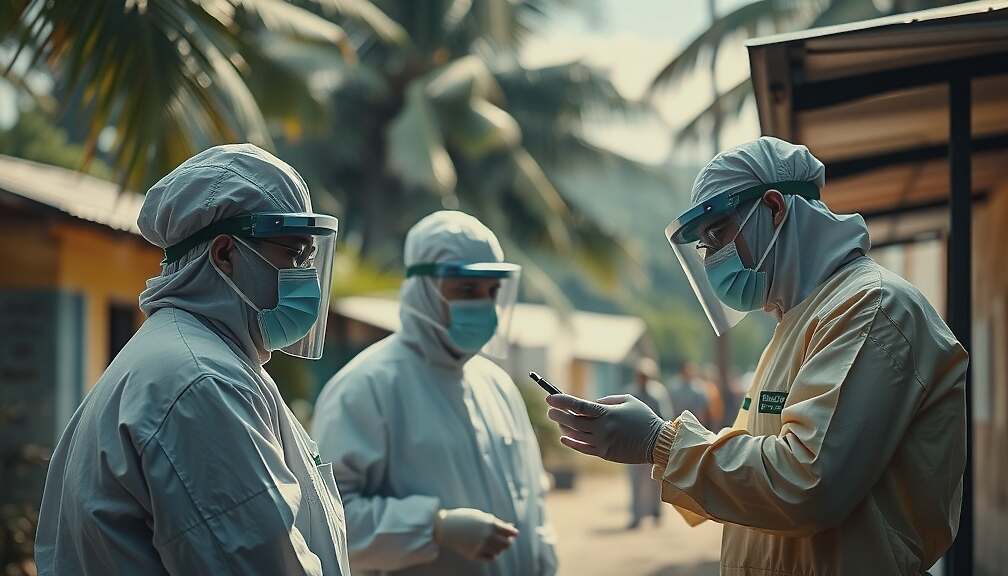
The World Health Organization (WHO) has declared an Ebola outbreak in the Democratic Republic of Congo (DRC) and Uganda an International Health Emergency. The agency clarified that while the outbreak meets the criteria for an emergency, it does not qualify as a pandemic under the International Health Regulations.
According to the WHO, case numbers as of May 16, 2026, show eight laboratory-confirmed cases, 246 suspected cases, and 80 suspected deaths reported in the Ituri Province of the DRC. Additionally, two laboratory-confirmed cases, which were not linked, were recorded in Kampala, Uganda. On the same day, one confirmed case was reported in Kinshasa, DRC, belonging to an individual returning from Ituri.
The WHO noted several concerning indicators suggesting a potential outbreak far larger than currently documented. These signs include a high positivity rate among initial samples, confirmed cases in both Kampala and Kinshasa, a growing trend in suspected cases presenting specific symptoms, and death clusters throughout the entire Ituri Province. Compounding the situation are persistent uncertainty, an existing humanitarian crisis, high population mobility, the semi-urban nature of the current hotspot, and the extensive network of informal health facilities, all of which elevate the risk of further spread.
In recognition of containment efforts, the WHO Director-General commended the respective national governments for their commitment and actions in managing the emergency. However, the WHO stressed the critical need for international collaboration to grasp the full scale of the outbreak and synchronize surveillance, preventive, and responsive measures. The current uncertainties regarding the genuine number of infections and the precise geographical spread pose a considerable risk, compounded by the fact that no specific approved therapies or vaccines are currently available for this particular virus type.