The German federal government has launched an action program aimed at implementing the National Circular Economy Strategy. On Wednesday, the cabinet approved the plans put forth by Federal Minister for the Environment, Carsten Schneider (SPD).
The government intends to advance 12 key measures by the end of 2027. These initiatives are designed to strengthen the German economy in a significant sector over the medium term. Essential components of the program include establishing a platform for major commercial players and launching a funding program titled “Future Circular Economy”. Furthermore, a total of 260 million euros, sourced from the Climate and Transformation Fund (KTF), has been earmarked for the circular economy strategy’s implementation through 2029.
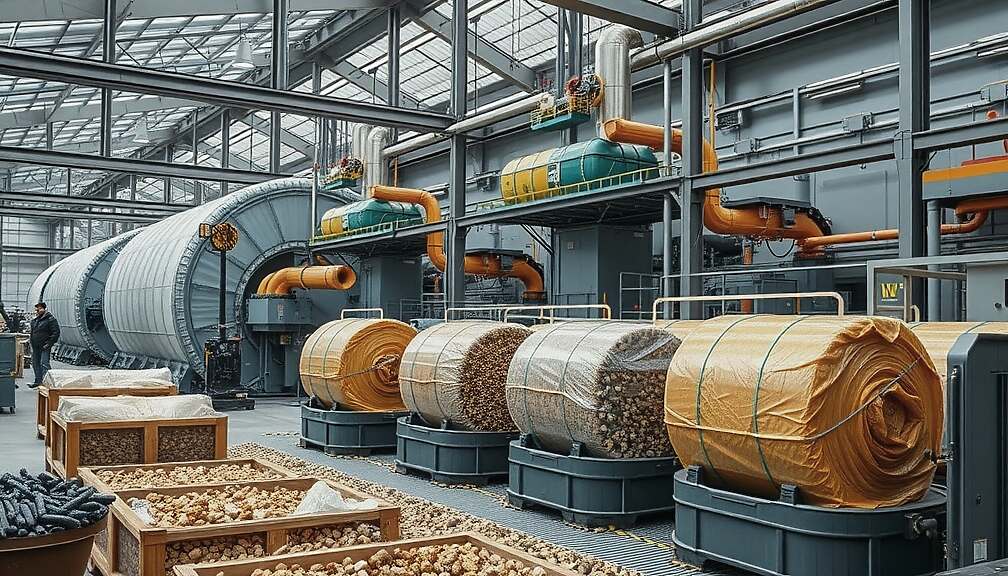
Schneider emphasized that “circular economy is more than just can deposits and waste separation today”. He stressed that it has become a “stock market relevant economic factor”. He cited examples such as industrial plants that save large amounts of material by utilizing AI, or the recycling of batteries. According to Schneider, the circular economy is a major industry, noting that the sector generated 60 billion euros in value creation this year alone.