Boeing CEO Kelly Ortberg believes the major aerospace corporation is beginning a recovery period after several challenging years. “I think we are turning the corner” Ortberg told the “Frankfurter Allgemeine Zeitung” (Friday edition). He noted that 2025 was a strong year for new orders, but stressed that genuine financial improvement hinges on the ability to return to higher production rates.
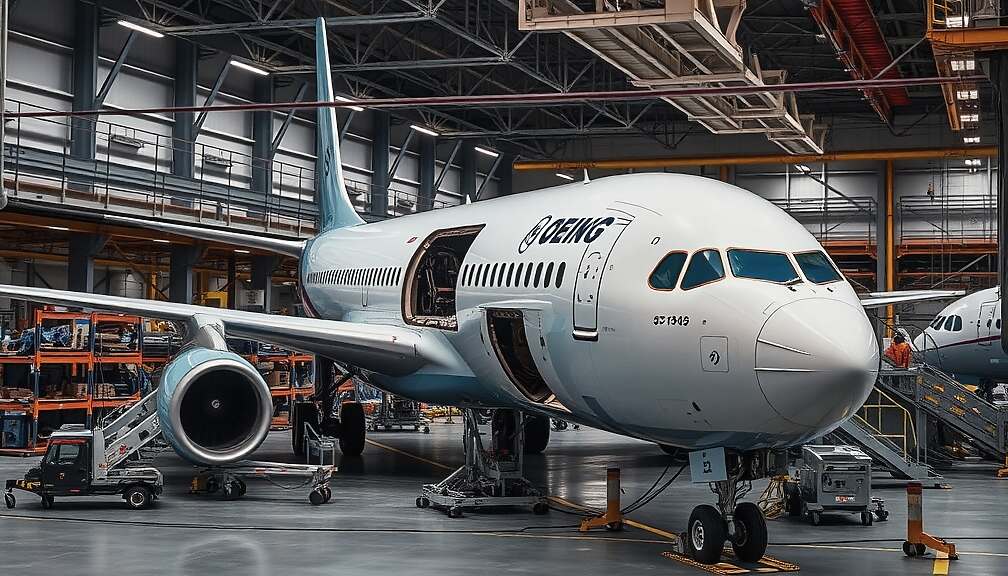
However, this focus is not on quickly surpassing European rival Airbus. “I don’t see overtaking Airbus as our primary goal right now. What is more important is that we concentrate on our own performance” Ortberg stated. Regarding the constrained 737 Max manufacturing, he aims to increase output from 42 to 52 aircraft per month, which he hopes will be achieved “perhaps by the end of the year”. He emphasized that the exact timing is less crucial than maintaining manufacturing stability and ensuring high quality in the aircraft construction. Boeing had faced significant pressure from various quality issues under previous management.
Ortberg also addressed the certification timeline for the new 777X long-haul jet, which is expected to be purchased by Lufthansa. Following long delays, the company aims for fast certification by 2027, though this will only happen after the 737 Max 7 is completed. “We expect that by the end of this year, which will enable deliveries next year” Ortberg confirmed.
Looking ahead, Boeing indicated that it is still several years away from developing a completely new passenger aircraft. He explained that the company is not yet financially positioned to undertake such a massive new aircraft program. Furthermore, the market is not yet ready; airlines are currently placing strong orders for existing models. Ortberg pointed out that Boeing has 6,200 orders to fulfill, stating, “We are fully booked through the end of the decade”. He concluded by noting that new technology needs time to mature before it can create incentives for airlines to switch to new platforms.