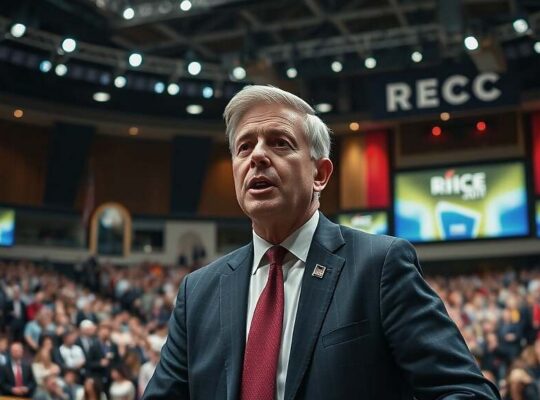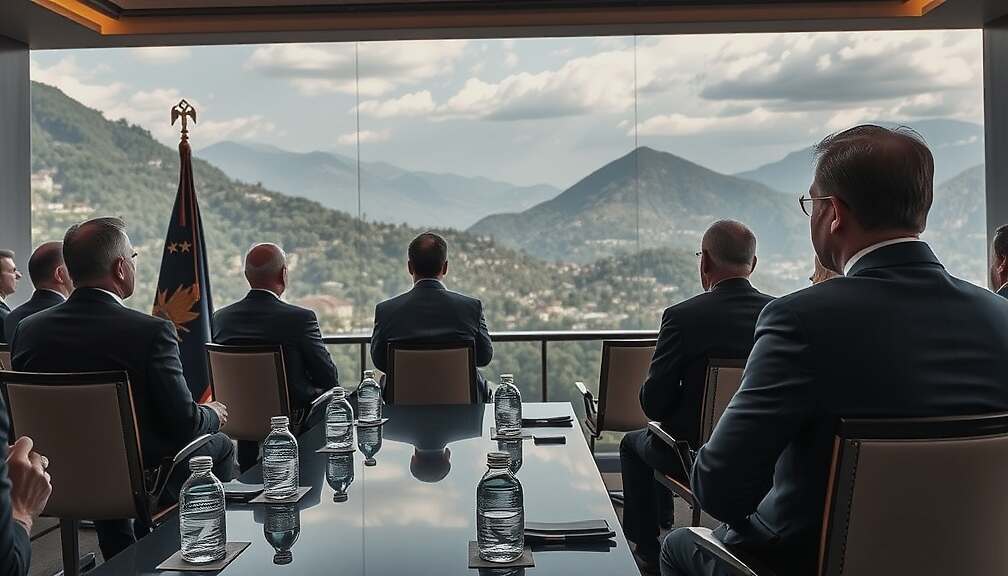
At a summit focused on the EU’s Western Balkans in Montenegro, German Chancellor Friedrich Merz (CDU) and French President Emmanuel Macron called for an accelerated expansion of the European Union. Both leaders agreed that existing shortcomings within the union contributed to the slow accession of Western Balkan countries. Merz asserted that since the EU has not taken on new members for 13 years, the inability to expand is due to failures within Europe itself, which must now be overcome. He stressed the necessity for the EU to demonstrate both its capability and its willingness to expand.
The region under discussion includes Montenegro, Albania, Bosnia and Herzegovina, Kosovo, North Macedonia, and Serbia, all of which have been striving for EU membership for many years. Macron emphasized the critical geopolitical importance of these countries for the Union, particularly regarding energy security, safety issues, and migration routes. Merz and Macron traveled together to Tivat with a shared strategy designed to bring candidate nations closer to EU integration swiftly. This plan proposes that receiving observation status in EU institutions and gaining privileged access to the common market through phased integration could act as strong incentives for necessary reforms.
Montenegrin President Jakov Milatovic characterized the gathering as a “turning point,” expressing hope for a fresh impetus for the Western Balkan nations. However, Albanian Prime Minister Edi Rama adopted a more cautious stance, urging both Merz and Macron to take further action toward rapid expansion. Meanwhile, Brussels remains highly concerned about some candidate countries shifting their alignment towards Russia, pointing specifically at Serbia. The EU has repeatedly demanded that Belgrade implement sanctions imposed by Moscow. Furthermore, regional tensions persist among the nations, most notably between Serbia and Kosovo, and also between Serbia and Montenegro.