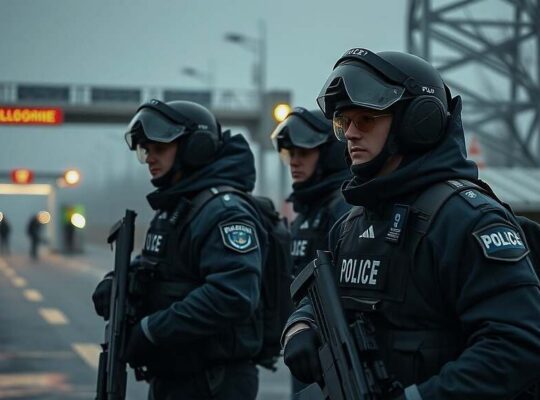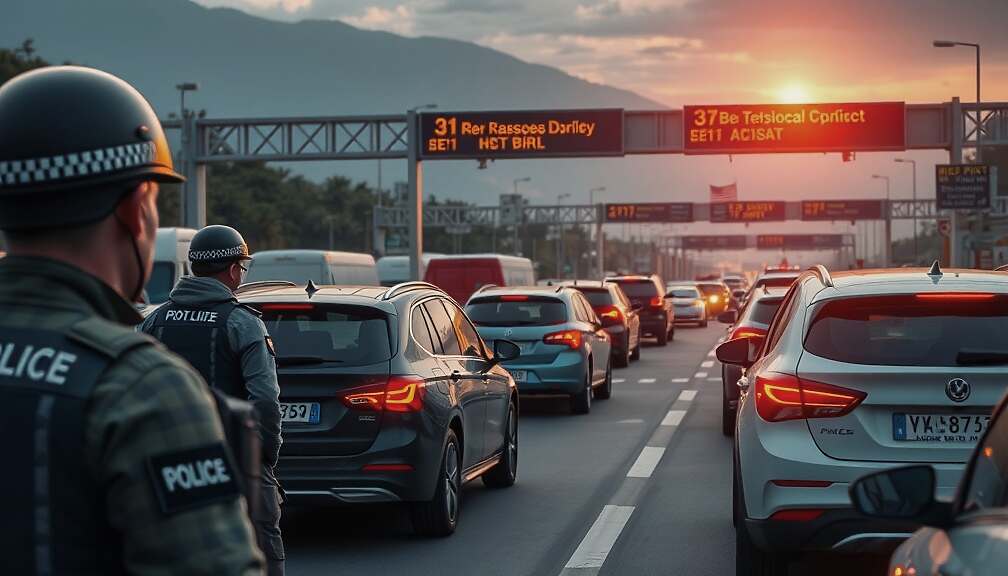
Police unions are watching the start of the travel season with calm given the ongoing border checks. Andreas Roßkopf, chairman of the Police Union (GdP) for the federal police sector, informed T-Online that on-site officers are providing “highly professional service.” He noted that their extensive experience allows them to quickly distinguish between travelers-whether they are vacationers, regional commuters, business travelers, smugglers, or individuals trying to enter the country illegally. This experience has, so far, ensured that the disruption to travel traffic, even during the holidays, has remained “within an acceptable framework.”
However, Roßkopf criticized the current setup, warning that stationary control points “are regrettably still not adequately equipped across the board.” He specifically complained that during hot summer days, personnel had to work without sun protection and that climate-controlled rooms were missing. He stressed that improved equipment is necessary to enable the federal police to respond to border checks in an “unpredictable” and “flexible” manner, which would consequently reduce the impact on citizens traveling.
Manuel Ostermann, the federal chairman of the German Police Union (DPolG) for federal police, offered a more optimistic view, stating that the federal police are now “tactically well-positioned” regarding internal border controls. According to him, there are sufficient, highly trained, and prepared officers available to ensure controls are maintained even during holiday periods. Nevertheless, he insists that the “consistent expansion of modern border control technology” is necessary, along with increased use of digital applications and artificial intelligence.
Meanwhile, the German Tourism Association highlighted the economic risks posed by the controls. Norbert Kunz, the association’s Managing Director, stressed that Germany is an appealing travel destination and must remain so. He warned that border checks can particularly cause delays during holiday periods, placing a burden on border destinations and day/short-term tourism. He emphasized that safety measures must be implemented in a way that keeps the effect on travelers and businesses as small as possible, ensuring that trips to Germany remain “reliable, predictable, and as uncomplicated as possible” even during peak travel times.
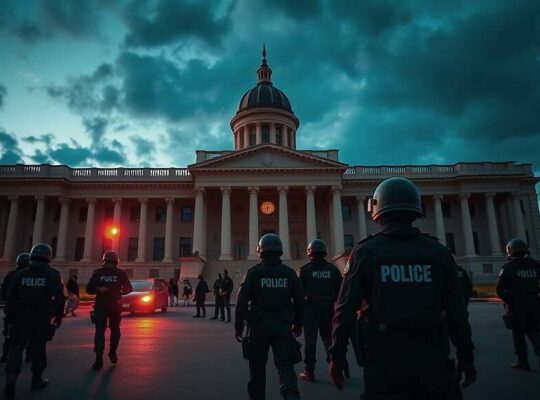
Political criticisms of the controls remain sharp. Marcel Emmerich, the Green Party’s domestic policy spokesman in the Bundestag, strongly criticized the measures. He argued that at the very beginning of the summer holidays, Alexander Dobrindt’s policies force families into long highway traffic jams and cause lengthy waiting periods for train travelers. He asserted that the vacation period in Europe should not begin in traffic jams and identity checks, nor should it end that way. Emmerich further argued that while people stand in traffic during the summer heat, the Interior Minister is dedicating thousands of federal police officers to checkpoints instead of crime hot spots like train stations and airports, adding that reports of increased traffic dangers around these controls constitute an acceptance of avoidable risks.
Clara Bünger, the Left Party’s domestic policy spokesman in the Bundestag, criticized the Federal Government for ignoring court decisions and persisting with the checks. She told T-Online that these measures primarily affect commuters, delivery drivers, and people on the run in everyday life. Looking toward the upcoming holiday season, she predicted more delays and disruption for travelers. Bünger demanded that the Federal Government immediately adhere to existing law and end the border controls.