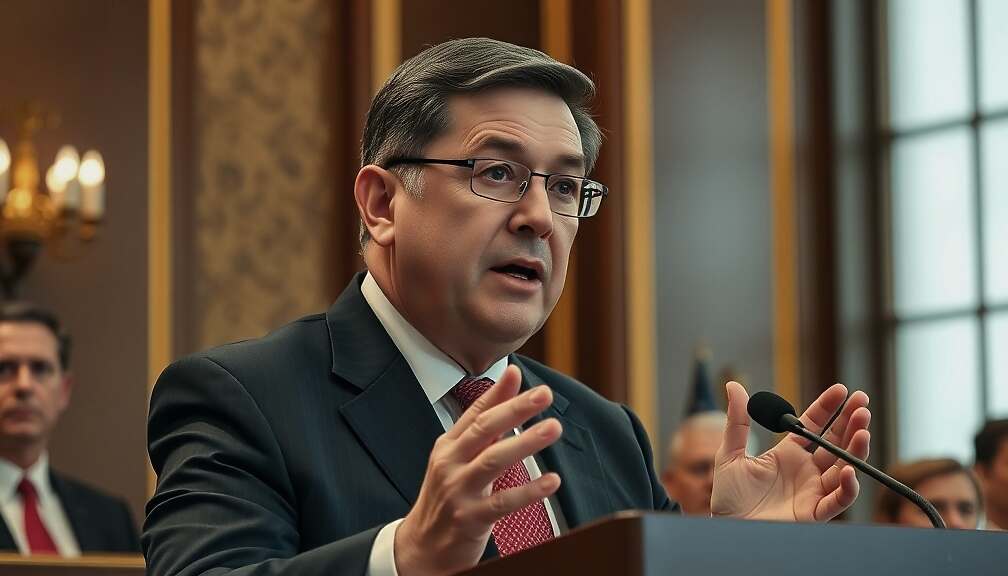
In a recent ZDF summer interview, Chancellor Friedrich Merz (CDU) defended his overall communication style and rejected criticisms regarding past statements. Specifically addressing allegations that he broadly characterized employees as lazy, Merz clarified that he never attributed personal laziness to anyone. Instead, he pointed out that “the number of hours actually worked in Germany is currently too low.” He used the example of the Swiss, who worked about 200 hours more than Germans, emphasizing, “This is not laziness that I attribute to anyone personally; rather, I am stating that our productivity is too low and our economic performance is insufficient, and we must do something about it.” He added that if the social state is to be maintained, everyone must “work together for this social system.”
Merz also criticized the media, accusing them of underrepresenting positive feedback on his views. “They always only show those who criticize me. They rarely show people who might say: It is exactly like this,” he claimed, noting this was consistent with his earlier remarks about “small Paschas.” He asserted that he receives “a lot of approval from the public for what I say about these issues.”
When questioned about poor polling numbers, Merz stated that “we are dealing with a crisis of trust in democracy overall.” He stressed that tackling this is not just the government’s responsibility but that of all democratic parties. Expressing concern over the tone of debate in the Bundestag, he reported being very worried after the last parliamentary session, noting the aggressive tenor of the proceedings. While he is accustomed to such sounds from the AfD and the Greens, he found the current atmosphere alarming, stating, “That was no advertisement for democracy.” He added that “personal attacks” harm democratic culture.
Finally, Merz commented extensively on the resignation of CDU parliamentary group leader Jens Spahn. According to Merz, Spahn had informed him about his impending fatherhood approximately ten days earlier. The Chancellor wished the child well, though he admitted he hadn’t anticipated the scale of the public reaction. Merz respected Spahn’s wish to handle the communication personally, which is why he did not inform anyone in the CDU. When asked if he felt betrayed by Spahn, the Chancellor gave an evasive reply, saying, “I don’t want to evaluate that publicly right now, but the whole process is concluded.” He concluded by acknowledging Spahn’s contributions, stating, “He performed important work as chair of the Bundestag faction, and I thank him for that.” He also noted that the reforms implemented in recent weeks bear Spahn’s mark.