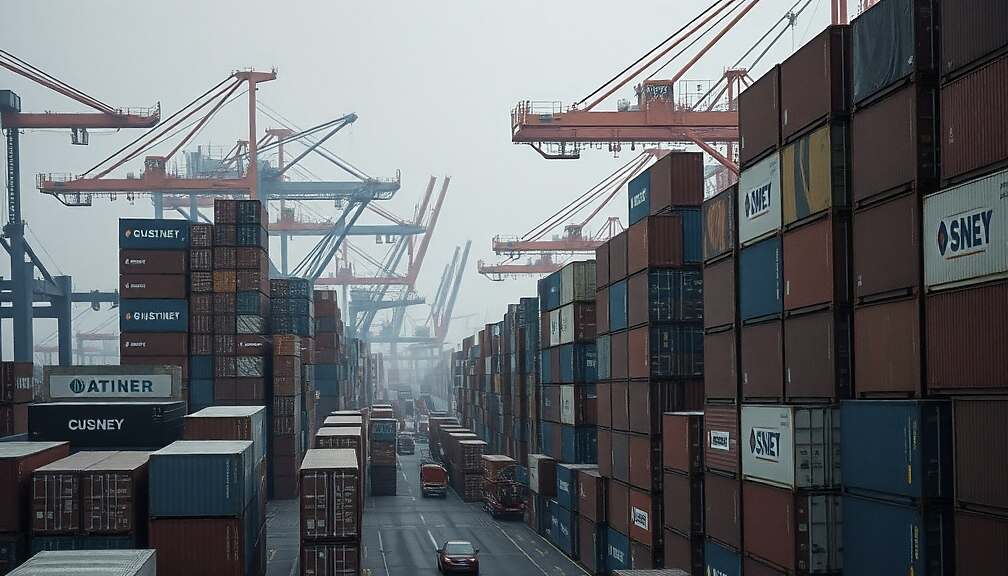
Amid the ongoing conflict between the United States and Iran, and its ripple effects on global trade, SPD parliamentary group leader Matthias Miersch suggested that Germany could face an economic emergency. Speaking to the newspapers of the Funke Media Group, Miersch warned that the potential crisis goes beyond simply rising fuel prices, citing the possibility of disruptions to entire value chains. He noted that the supply of crucial raw materials, such as Helium, could be severely impacted, making an economic downturn a conceivable reality.
Should such a crisis materialize, Miersch argued that the government might need to intervene massively in the economy to protect citizens from sharply increasing energy costs. While refusing to paint a doom-and-gloom picture, he conceded that the state might have to provide extensive economic support for key technologies. He also mentioned that the existing crisis benefits, such as the short-time work scheme (Kurzarbeitergeld)-which the federal government had already extended until December 31, 2026-could need to be adjusted.
Furthermore, Miersch did not rule out the possibility of implementing a price cap on fuels. He commented that despite ongoing debate, the previous fuel discount had proven successful, leading to price drops. He stated that a “price cap, similar to the one in Luxembourg,” was a possibility to consider.
However, Miersch remained cautious about how any new assistance would be financed. He indicated that such mechanisms would depend on the situation, referencing past instances where exceptional provisions stipulated by the Basic Law were utilized during times of economic distress. Despite this, he explicitly avoided sparking a debate about demanding new public debt.
He emphasized that if the situation were to worsen, government action would be unavoidable. “There could come a situation where we must weigh our options and say: We cannot simply allow the economy to fail with our eyes wide open; we must counteract it. The same applies when we must protect the population from sharply increased energy prices. The state cannot stand by and do nothing in those cases.”
Despite these warnings, Miersch sought to temper any sense of panic, adding that he was not minimizing current economic growth. He clarified that his concerns were focused on precautionary measures for a potential downturn, not on fueling alarmism.