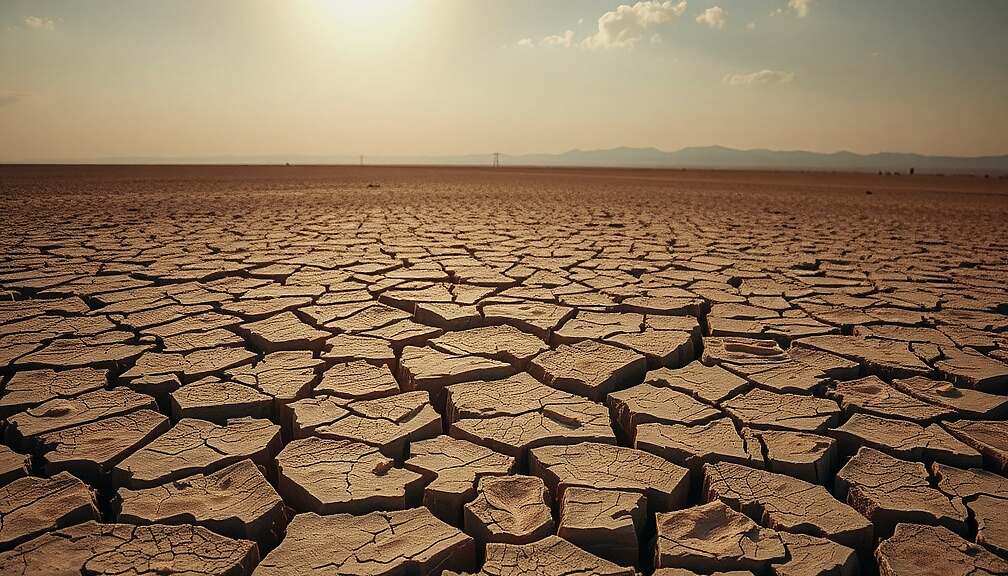
The recent extremely hot and dry summer placed significant strain on water supply across Germany. This situation was detailed in a survey conducted by the Association of Municipal Companies (VKU) among municipal water providers, with findings reported by the Funke media group.
Of the 147 companies that responded, 53 percent reported experiencing at least a strained supply situation, while an additional 16 percent cited actual shortages. Consumption levels were clearly above usual averages during the hot periods of the summer. Specifically, 29 percent of companies noted an increase of 10 to 19 percent, and 21 percent reported rises between 20 and 29 percent. Furthermore, a quarter of the suppliers indicated that usage exceeded normal levels by more than 30 percent.
Water providers attributed these increased demands primarily to higher household consumption driven by the heat (cited by 60 percent) and supplementary use for cooling and gardening, such as pool filling and lawn watering (cited by 71 percent, with multiple answers possible). However, one in four suppliers did not identify any specific major contributing factors. In response to the circumstances, 37 percent of the surveyed companies appealed to customers to conserve water.
Karsten Specht, Vice President of the VKU, stresses the growing need for action given changing climatic conditions. Specht acknowledged that public water supply in Germany maintains reliability even under extended heat and dryness, thanks to the dedication, technical competence, and forward planning of municipal providers. Nevertheless, he warned that the growing need for intervention cannot be overlooked. Both water resources and technical infrastructure are increasingly reaching their limits during prolonged droughts and peak demand spikes. Notably, 71 percent of the surveyed companies stated that demand peaks, infrastructure challenges, and resource scarcity have been intensifying in recent years.
In light of these developments, the VKU is advocating for a new federal task force dedicated to climate adaptation. Specht emphasized that critical public services must be proactively addressed before challenges escalate into major crises. The municipal water sector faces what he describes as a “generational task”: securing water availability, building climate-resilient infrastructure, and strengthening flood and severe rain preparedness requires substantial investment. Consequently, he argued the urgent establishment of a coordinated national climate adaptation initiative would allow the federal government, states, and local municipalities to provide sustained and targeted support.
The likelihood and severity of heatwaves are increasing due to global warming, a trend exacerbated by the continued release of greenhouse gases, such as those from burning coal, oil, and gas. The Federal Cabinet is scheduled to hold discussions on climate protection and adaptation during its upcoming meeting.