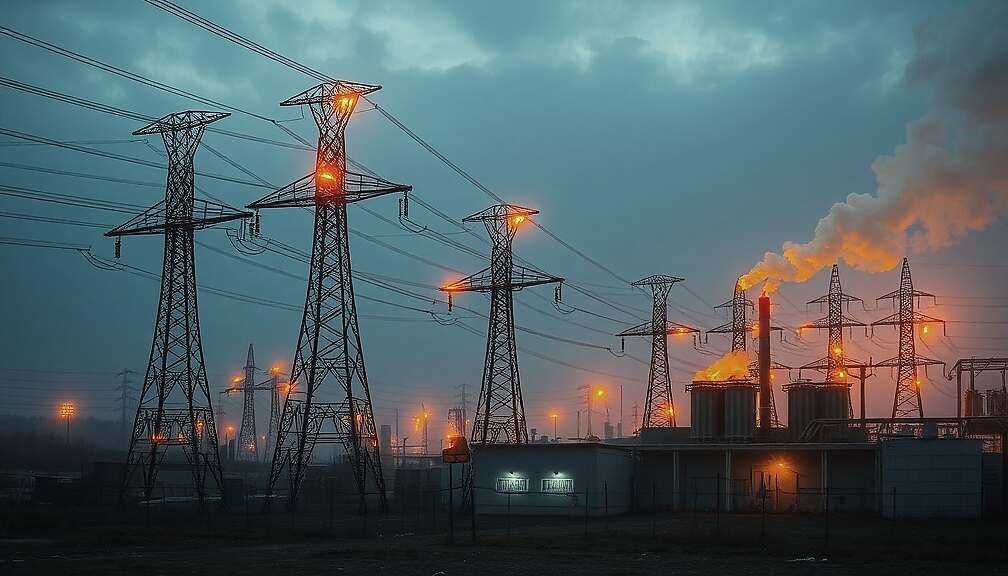
The Federal Ministry of the Interior has determined that critical infrastructure in Germany is fundamentally highly vulnerable following suspected sabotage incidents at energy facilities in Brandenburg and North Rhine-Westphalia. According to a ministry spokesperson speaking to Handelsblatt, the significance of such infrastructure meant it was subject to a high level of abstracted systemic risk.
While the government and industry cooperate closely in protecting these critical systems, the responsibility for securing the facilities primarily lies with the companies themselves, the spokesperson stated. Federal security authorities, however, do offer support to these companies.
For instance, the Federal Office for the Protection of the Constitution informs potential affected entities by providing economic security guidelines, alongside conducting regular briefings and engaging in discussions with specific industries. During these sessions, the authorities highlight the current threat posed by sabotage.
However, concrete directives for operators are still pending. The Kritis-Dachgesetz (Critical Infrastructure Umbrella Law), which came into effect in March 2026, is set to establish the first nationwide, industry-wide minimum requirements for the physical protection of critical infrastructure. The Federal Government has not yet presented the necessary legal regulations for this law. When asked about a timetable, the Ministry of the Interior declined to provide one, though the spokesperson emphasized that the Federal Government is working hard to implement the Kritis-Dachgesetz.