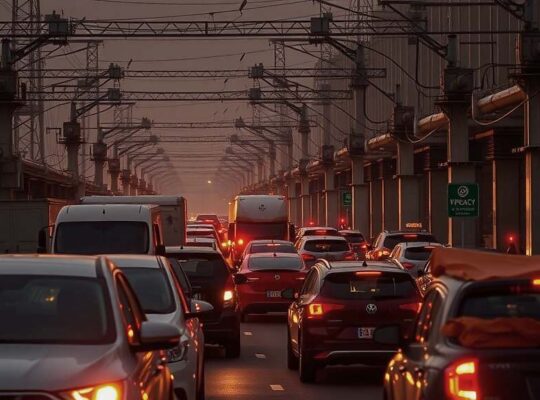
Energy economist Claudia Kemfert is advocating for rapid governmental measures to support citizens amid soaring fuel prices. In speaking to the “Handelsblatt”, head of the Energy, Transport, and Environment Department at the German Institute for Economic Research (DIW), she suggested that “targeted relief for particularly affected households-for instance, through a mobility allowance or a climate dividend-would be sensible.”
She, however, expressed criticism regarding a reduction in the energy tax. While such a change might offer a short-term benefit at the pump, Kemfert noted that the state cannot guarantee every cent reaches the consumers, as some portion could remain within the higher margins of mineral oil companies. Furthermore, she argued that blanket tax reductions are both costly and lack pinpoint accuracy. Kemfert also rejects the notion of abolishing the carbon price, asserting that “the current price jumps primarily stem from the world market and geopolitical risks.”
Kemfert warned that further increases in fuel costs could have serious consequences for drivers and the wider economy. She estimated that “diesel prices near three euros and gasoline prices around 2.50 euros would constitute a significant shock to purchasing power.” She explained that in the short term, many people cannot easily change their travel behavior, meaning such price hikes will immediately impact household budgets. She highlighted that commuters, low-income households, and people living in rural areas would be particularly burdened. Simultaneously, she warned that rising transport and production costs could drive inflation and slow economic growth.