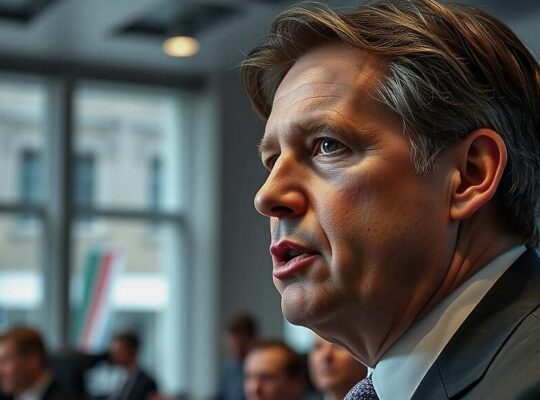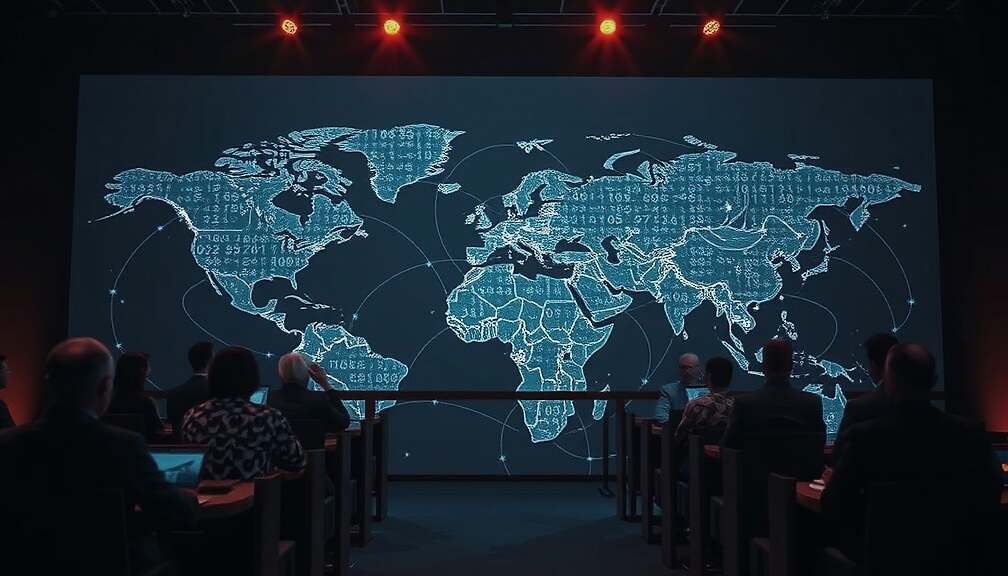
United Nations Secretary-General António Guterres has called upon the major global powers-the United States, China, and Europe-to engage in dialogue regarding artificial intelligence (AI) in light of the ongoing technological arms race.
Guterres told Redaktionsnetzwerk Deutschland that an honest and serious conversation is crucial between the countries with the greatest AI potential. He stressed that this discussion must involve not just China and the United States, but also Europe. During this serious dialogue, all parties must recognize the urgent need to manage the pace of AI development and establish a set of guidelines that everyone commits to following. He noted that recent openness from U.S. Treasury Secretary Scott Bessent regarding a discussion on AI security with China was a positive step.
The Secretary-General issued a stark warning against an uncontrolled expansion of AI. He cautioned that it would be a catastrophe if states, and especially superpowers, treated the situation as a race to defeat the opposing superpower as quickly as possible. Invoking historical precedents, Guterres compared the current situation to the Cold War, where a dialogue between the US and the Soviet Union ultimately led to arms control following the Cuban Missile Crisis and other incidents. “I believe we need a similar kind of trust among the crucial states,” Guterres stated. He emphasized that the primary responsibility for ensuring AI safety rests with governments, which are the entities tasked with protecting the lives and security of their citizens.
Regarding his own usage of technology, Guterres clarified that he never uses AI to prepare his speeches. “Naturally, I always work with my team, but we do not use AI to prepare my speeches,” he said.
While acknowledging that AI is already implemented within the United Nations-for instance, used for translations and organizational administration-Guterres maintained that human guidance must remain central to the work of the Secretary-General. “But concerning what I want to convey as Secretary-General, the human needs to be in charge.”