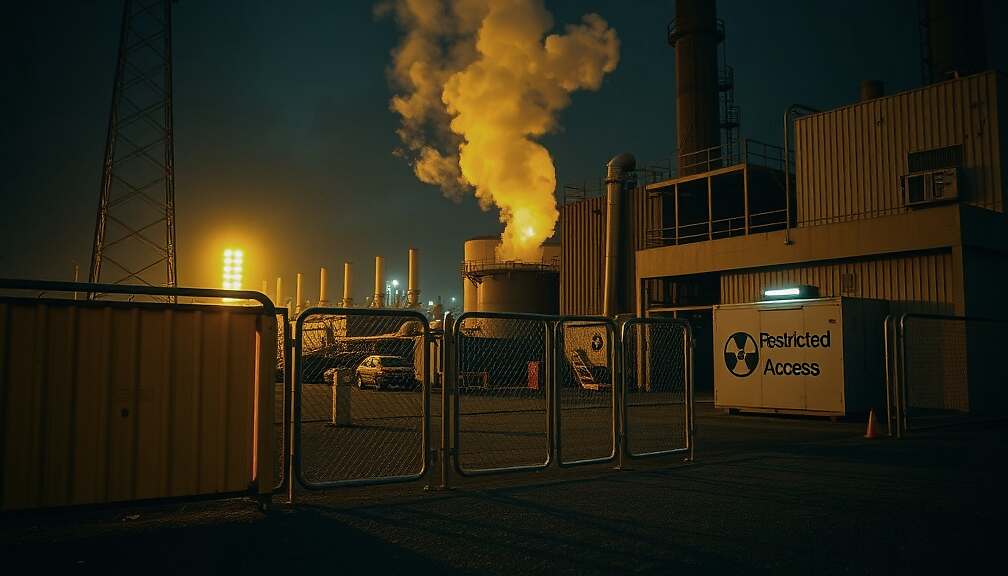
A recent study conducted by the Federal Office for Radiation Protection (BfS), and reported on by the Redaktionsnetzwerk Deutschland (RND), indicates that over two-thirds of Germans feel concerned about nuclear weapons and the threat of nuclear accidents. Furthermore, a significant majority expressed a desire for protective drills in such emergency situations.
The survey, which collected data from 2,032 people between January and March of this year through Puls Marktforschung GmbH on behalf of the BfS, revealed several core anxieties. BfS President Inge Paulini noted that scenarios, once considered unlikely-such as nuclear facilities becoming targets in wars-have become a real possibility. The threat of nuclear weapons is no longer seen as unthinkable. Specifically, 70 percent of respondents cited concerns regarding nuclear weapons, while 66 percent worried about potential radioactive contamination stemming from nuclear power plant accidents or incidents. Relatedly, 68 percent expressed significant worries about current global conflicts and wars, with 60 percent of those fearing that these conflicts could trigger a nuclear power plant disaster.
Despite the high level of concern regarding potential nuclear emergencies, the study highlighted a substantial lack of public knowledge about safety measures. Sixty-three percent of respondents reported not knowing what steps to take in the event of a radiological emergency. Paulini noted that uncertainty surrounding this topic is widespread. This also applies to public preparedness and knowledge concerning the theoretical scenario of a nuclear weapons explosion in Europe. The agency chief therefore advocated that individuals should practice their own emergency procedures in case of radioactive incidents. She stressed that having personal knowledge is crucial not only for self-protection but also for protecting others.
The survey further showed that nearly two-thirds of the population supports training exercises on proper behavior during a nuclear emergency, including the scenario of a nuclear weapons explosion. This, according to the BfS President, should be treated as a clear directive.
To enable citizens to learn about both threats and protective measures, the BfS also emphasizes the need for clear and accessible informational resources. The agency chief urged that threat scenarios, such as the outcomes of nuclear weapon deployment-even if perceived as unlikely-should not be taboo subjects in public information. The survey itself demonstrated that many people advocate for receiving more information, even on these difficult topics.