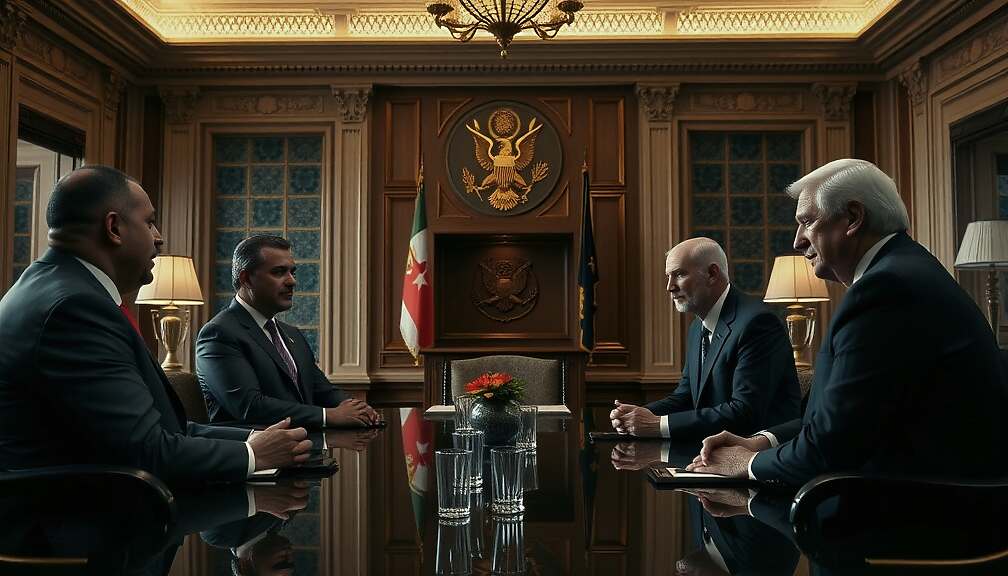
Chancellor Friedrich Merz (CDU) emphasized the close security partnership between the two countries during the official visit of the new Lithuanian Prime Minister, Mindaugas Sinkevicius, at the Chancellery. Merz stated that the security of the Baltic region is intrinsically linked to the security of Germany.
Merz made it clear that Russia is escalating hybrid attacks against Germany and Lithuania, aiming to undermine Ukraine’s support. He firmly asserted that Germany will not allow itself to be intimidated or divided. As an example of these threats, he cited the drone attack on the Leipzig airport on August 4th, noting that the lack of casualties was extremely fortunate.
Regarding the conflict in Ukraine, Merz maintained that Russia must bring the war to an end and enter negotiations within the next five years. He stressed that both Ukraine and European representatives must be at the negotiating table, clarifying that the aid provided is intended to pressure Moscow into negotiating, not to prolong the war. He also highlighted that Lithuania remains the largest supporter of Ukraine per capita.
Responding to Merz, Sinkevicius announced that Lithuania has increased its defense budget to over 5 percent of its GDP, totaling approximately 4.8 billion euros. He thanked Merz for his leadership, stating that “Germany can rely on Lithuania.” Sinkevicius added that hybrid threats will persist as long as peace is absent in Ukraine. He also praised the growing military-industrial collaboration, citing the Rheinmetall plant in Lithuania, and advocated for increased German language instruction and youth exchanges.
Lithuania will assume the EU Council presidency for a half-year period starting in January. Merz offered his support, identifying security and competitiveness as key areas of focus for the presidency. On the multi-year EU financial framework post-2028, he stated his intention to finalize negotiations this year. Although a refusal to adopt a new framework would be financially advantageous for Germany, he cautioned that it would restrict the EU’s capacity to act. Sinkevicius, however, appeared less optimistic. Following discussions in Brussels, he anticipates challenging negotiations due to divergent positions, but confirmed Lithuania’s readiness to take over the negotiations if necessary.
Furthermore, the German Brigade in Lithuania is set to be fully established in Vilnius by the end of 2027, marking the first time Germany will permanently deploy a large military unit outside of its own territory.