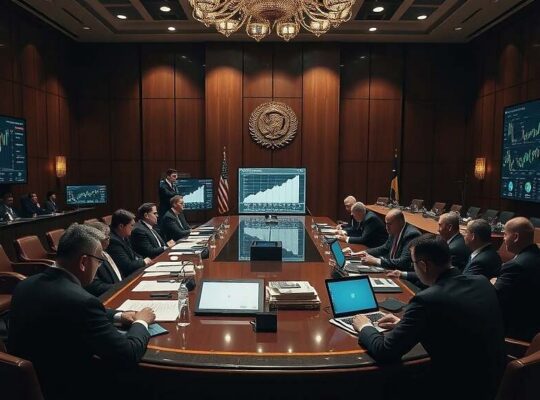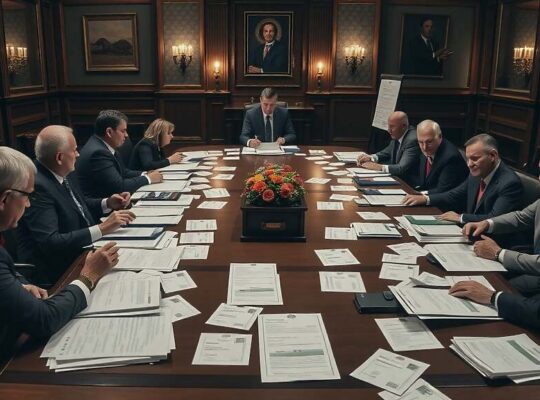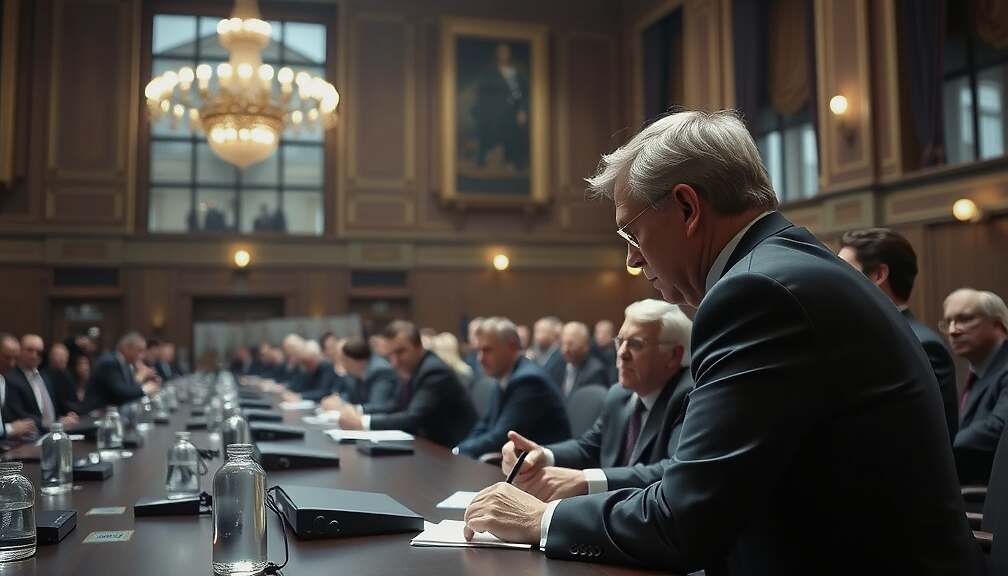
Ahead of the two-day EU summit in Brussels, the German government is bracing for a “controversial” discussion concerning the EU budget and various other topics, according to sources within the government that spoke to our editorial team on Tuesday. The German delegation, led by Chancellor Friedrich Merz (CDU), is scheduled for meetings with the EVP political group and an informal gathering with like-minded states on Thursday morning, before the official summit kicks off at 10 a.m. Ukrainian President Volodymyr Zelenskyy is set to attend on Friday morning.
The centerpiece of the discussions will be the Multiannual Financial Framework (MFR). According to government sources, a highly controversial debate is expected, particularly regarding the total volume and the mechanisms for new own resources. Proposals from Ireland will not bring about a consensus, as they would still be approximately 50 percent higher than the current volume. Currently, Germany contributes just over €40 billion to Brussels this year; under the Irish blueprint, this figure would exceed €60 billion, which is deemed unaffordable. Germany, along with five other like-minded nations, is demanding significant horizontal cuts-hundreds of billions of euros-across all budgetary categories, including agriculture and cohesion. They insist that the priorities of competitiveness, security, and defense must be maintained.
Currently, there is no anticipated major breakthrough at the summit; states have merely marked their positions, according to Berlin. The phase for potential compromises has not yet been reached, and a definitive outcome is not in sight. A new round of negotiations could begin in early November, with another summit planned for the end of the month.
Regarding new own resources, Germany is willing to discuss the issue, but a corporate tax is off the table. The Commission’s proposal for €66 billion would only generate around €20 billion in additional revenue. No final decision is expected this week, although the Carbon Border Adjustment Mechanism (CBAM) in the range of €1.3 to €1.5 billion is considered potentially consensus-driven. A decision regarding a possible European digital tax has yet to be made; the discussion must weigh its revenue contribution against the potential diplomatic friction it could generate with the United States.
Prior to the summit, Merz has reiterated his recurring demands for heads of state and government to revisit the reduction of bureaucracy and improve competitiveness. This specific theme is placed at the top of the agenda this time. The underlying context is that the EU has fallen behind its agenda with the twelve “omnibus” packages released so far. Specifically, the Chancellor wants to enforce a EU-priority rule for investments, allowing projects related to the green and digital transformations to be promoted and legislative rules to be temporarily suspended. Furthermore, he demands that reporting obligations be zeroed out; those wishing to keep them must prove their necessity, alongside the mandated “bureaucracy brake.”
On the topic of energy prices, Berlin anticipates the same controversial debate observed at previous summits. Several states, including Italy, the Czech Republic, Slovakia, and Hungary, seek to circumvent the Emissions Trading System (ETS I), delay ETS II, and utilize the escape clause of the Stability and Growth Pact. In contrast, the Nordic and Benelux countries hold opposing views. The German government views the ETS as a proven, market-based instrument that must be maintained. While implementation methods can be debated through the ETS review, Germany rejects exceptions to the Stability and Growth Pact, particularly given the risks developing in the bond markets.
Discussions during the lunch in Brussels are set to focus on economic imbalances. Broad support is expected for the Franco-German trade paper, even from nations that were previously uncertain, suggesting a favorable reception. The Commission should be tasked with quickly proposing instruments to address these imbalances, rather than waiting until next spring.
The evening will host a strategic debate on enlargement and reforms, with Merz and French President Emmanuel Macron planning to appear together. Germany and France favor swift progress on Montenegro’s accession. However, a package deal that requires Montenegro to wait for Albania or Serbia is rejected. Regarding Croatia, concerns persist about a potential blockade due to historical sensitivities. For Moldova, a “performance-based approach” is necessary, and linking its status to that of Ukraine is deemed unacceptable, while simultaneously ensuring the country avoids frustration. The overall accession process must be faster, leaner, and less bureaucratic.
For Ukraine, negotiation clusters 2 and 3 are set to open, following the country’s legislative steps. Clusters 4 and 5 are expected to follow later this year, based on the German government’s wishes. The offer of “associated partnership” is on the table, although some member states find it excessive.
German government circles indicate that Zelenskyy should receive a clear signal of solidarity in Brussels. Merz called him on Monday, and both leaders agreed that an “energy weapons ceasefire” is urgently needed and must extend beyond just refineries. The 21st sanctions package was approved by the Foreign Affairs Council on Monday. It is anticipated that the summit will maintain, or potentially increase, the pressure on Russia.
Concerning Ukraine’s funding, 2026 is considered secured, but a financial gap is deemed “very likely” for 2027. There is no deadline for identifying budget shortfalls, as discussions are ongoing. However, Berlin insists that Kyiv must establish transparency to “bring accountability,” and national guarantees from EU member states are required, which is not always straightforward.
Regarding migration, President of the European Commission is expected to submit a letter on Tuesday with further proposals aimed at combating the instrumentalization of migration. Finally, the German government anticipates a much calmer debate on the Middle East-specifically concerning Israel-this time around, compared to previous discussions.