Following the parliamentary election in Serbia, former President Aleksandar Vucic conceded his defeat. Preliminary estimates indicate that the “Students’ List” will secure more seats in the new parliament than his own camp, the Serbian Progress Party, which is associated with the right-conservative spectrum. On Sunday evening, Vucic stated clearly, “It is evident that we have lost this election.”
During the concession, he also offered congratulations to human rights activist Natasa Kandic whose political movement had been victorious, adding that its success was “supported by massive external aid,” as he put it. Kandic is not a leading candidate for the Students’ List; rather, she is a well-known Serbian human rights activist who has focused heavily on addressing war crimes committed during the Yugoslav conflicts. This stance provokes strong hostility among nationalist segments of the population.
Vucic also responded on Sunday evening to rumors that he and his political allies planned to leave the country following the election loss. He refuted this, declaring, “No one will flee anywhere.” He affirmed that he intends to remain politically active.
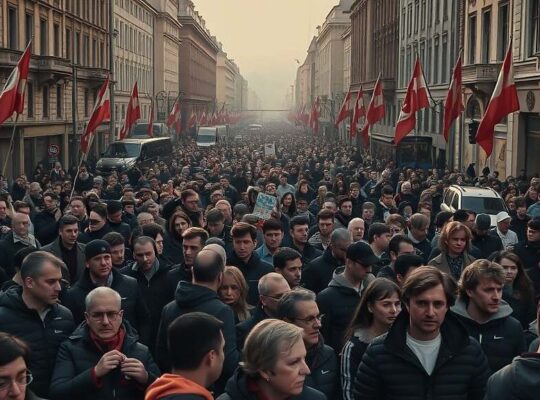
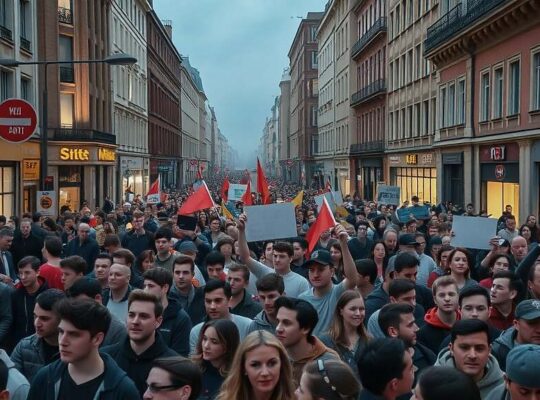
Vucic had dissolved the National Assembly in September and stepped down as president with the stated goal of becoming the Prime Minister after the early elections. Following this, the existing protest movement centered on the Students’ List gained momentum, notably through daily vigils in the capital, a movement that now appears poised to take charge of government formation.
The Students’ List originated from a large protest movement against corruption and the Vucic administration. The turning point was the collapse of a newly renovated station nearly two years ago, an incident in which 16 people died. Subsequently, students demanded investigations to determine who was responsible for the catastrophe and whether corruption, substandard construction, or political influence had played a role.
Sunday also saw reports of electoral irregularities and alleged vote-buying, reportedly by the conservative camp. Concurrently, however, there were indications of the highest voter turnout in decades.