Federal Environment Minister Carsten Schneider (SPD) views rising temperatures as a significant economic risk. Speaking to the “Handelsblatt”, Schneider stated that heat severely harms the German economy. He is particularly concerned about the availability of water. He noted that water in Germany has historically been plentiful, meaning people rarely had to worry about it, but this situation is changing.
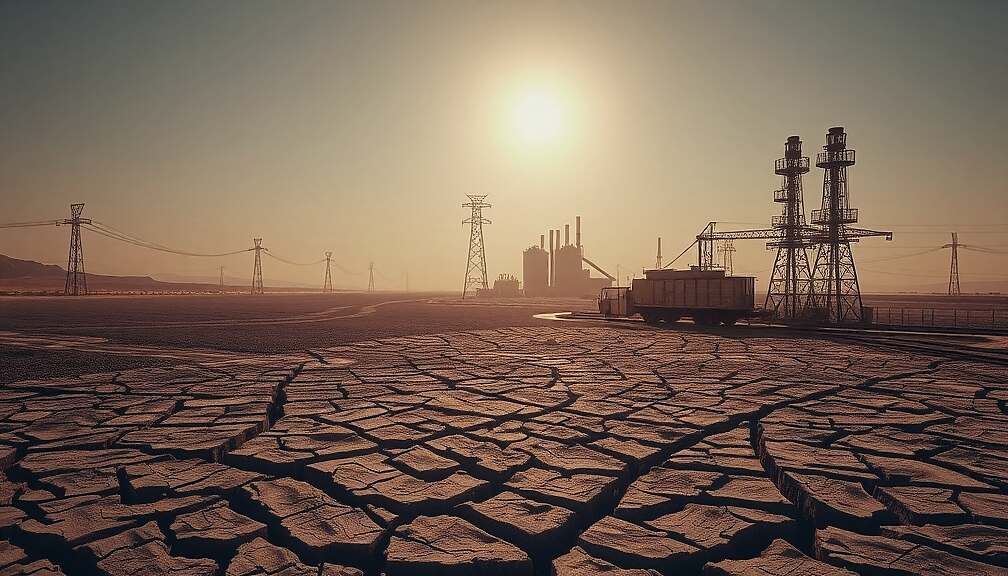
Droughts, falling groundwater levels, and drying lakes are becoming economically relevant issues. Schneider highlighted that many companies depend on water availability. According to him, declining groundwater levels could hinder future business expansions, especially large industrial sites with high water demands. Furthermore, the issue extends beyond whether water will suffice for production in the next ten or twenty years; public acceptance is also a crucial factor. Should the population fear water scarcity, resistance will inevitably grow.
Currently, corporate awareness regarding these risks is still nascent. Nevertheless, Schneider believes that the cost associated with natural risks is becoming increasingly relevant for banks, including the Bundesbank, and for insurance companies. Consequently, loan approvals are increasingly being tied to these factors, which in turn creates both pressure and incentives for a more systematic approach to climate risk assessment.