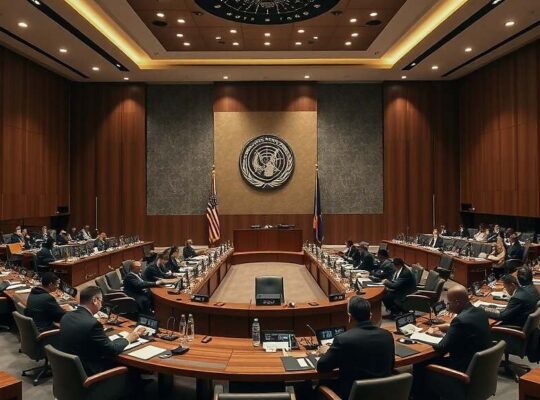
The G7 summit began at Évian-les-Bains in France on Monday evening. The three-day gathering will focus on four key discussion areas, including the situation in the Middle East and its economic fallout. The peace deal between the US and Iran, announced on Sunday, is expected to spur significant discussion within this complex framework.
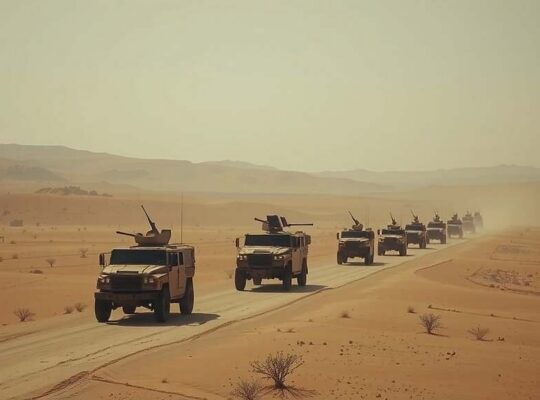
Prior to the start of the summit, German Chancellor Friedrich Merz (CDU) indicated Germany’s potential involvement in a mission to secure the Strait of Hormuz. Merz stated in Berlin on Monday, before his departure, that they wish to collaborate with their partners on ensuring the free passage of shipping through the strait. He added that this commitment would be made once the necessary conditions are met, which they plan to discuss with the United States, President Trump, European partners, and regional states in Évian. However, Merz did not specify what those prerequisite conditions were or how a German participation might concretely take shape.
The second major topic of discussion is the general state of the global economy, focusing on the risks and challenges posed by worldwide imbalances, particularly China’s export surpluses. The other critical issues on the agenda are the vital topic of critical raw materials and the ongoing conflict in Ukraine.
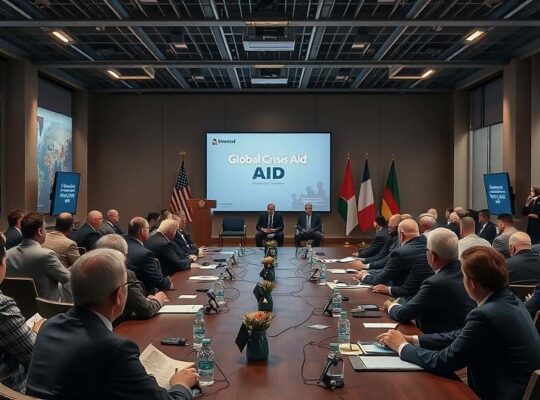
There are scheduled to be five working sessions throughout the summit, running until Wednesday. Ukrainian President Volodymyr Zelensky will join the meeting on Tuesday. Other invited guests include heads of state and government from India, Brazil, Egypt, and South Korea. Currently, leaders do not anticipate a comprehensive final declaration covering all results, though declarations on individual topics are expected.