North Rhine-Westphalia (NRW) Environment Minister Oliver Krischer (The Greens) is increasing pressure for the implementation of a textile law that would hold manufacturers jointly responsible for the costs of disposing of textiles. Krischer informed the “Rheinische Post” (Tuesday) that the current system for collecting used clothing is under increasing strain.
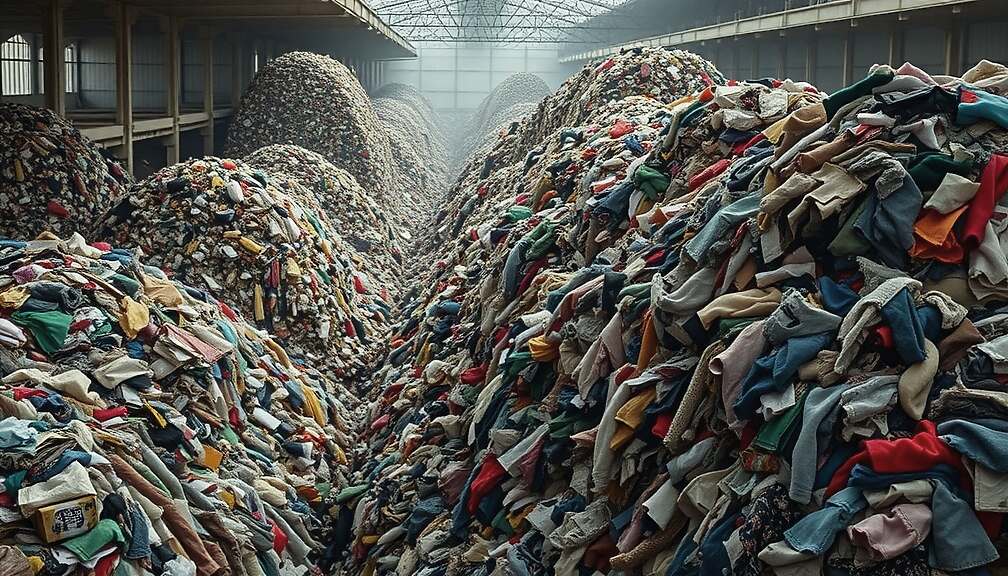
He noted that the quality of items is deteriorating, resulting in larger volumes of clothes-many of which are no longer reusable. This situation is pushing local municipalities and charitable collection agencies to their breaking point. According to Krischer, the existing collection system risks economic collapse unless responsibilities are fundamentally restructured. He argued that manufacturers must be held to account, emphasizing that they must share responsibility for the textiles, their eventual disposal, and recycling. Currently, the costs and risks are borne predominantly by collectors and communities, a situation Krischer insists must change, requiring manufacturers to contribute financially.
Krischer specifically highlighted “fast fashion” as highly problematic. He described it as cheaply produced clothing that consumers quickly discard, much of which is unsuitable for the second-hand market and accumulates in textile collections in massive quantities. The dramatic growth in textile waste volumes is evident in statistics provided by the NRW Environment Agency. According to these figures, public disposal facilities in NRW collected 16,184 tonnes of used textiles in 2012. However, preliminary data for 2024 show that disposal agencies processed 36,145 tonnes. These official statistics do not account for textiles collected by commercial or charitable private actors.
Adding to the policy urgency, the Federal Ministry for the Environment had already introduced a policy paper in March concerning the “implementation of extended producer responsibility for textiles” which is intended to serve as the foundation for a federal textile law.