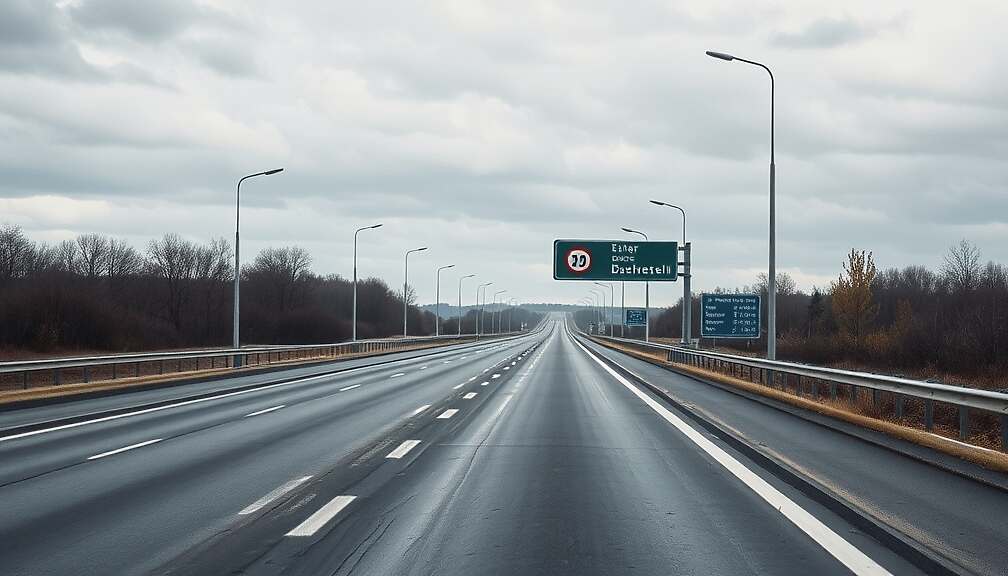
A slight majority of Germans are in favor of implementing a temporary speed limit to help reduce energy consumption. According to a survey conducted by Forsa for Stern and RTL, 51 percent of citizens support introducing a temporary maximum speed of 120 km/h on highways and 80 km/h on rural roads, while 48 percent oppose the restriction. One percent reported that they were undecided.
The support varies noticeably between genders, with a majority of women (63 percent) favoring the temporary speed limit compared to only 37 percent of men.
Disparities also exist across age groups and political affiliations. The proposal garners strong support among those over 60, with 62 percent in favor. In contrast, among those aged 30 to 59, only a minority supports the measure, and those under 30 are similarly evenly split.
Support is highest among Green Party and Left Party adherents, with both groups showing 82 percent in favor. The lowest support level comes from supporters of the AfD, at only 19 percent. For SPD members, 62 percent are on board with a temporary speed limit, while the Union’s stance is more divided.
This discussion is prompted by the ongoing energy crisis, exacerbated by the war in the Middle East. Despite a ceasefire agreement between the US and Iran, energy prices remain high for both consumers and the German economy. Experts suggest that a speed limit could reduce gasoline and diesel consumption, thereby helping to lower fuel costs.
Veronika Grimm, an economist and member of the Council of Experts for Economic Assessment, proposed this speed reduction as a measure against the energy crisis, arguing that current efforts to lower fuel prices have been insufficiently effective. Currently, Germany is the only country in the EU without a general speed limit on its highways, and it is also an exception globally. Support for a speed cap comes from the SPD, Greens, and Left Party, while the Union, AfD, and FDP oppose it.