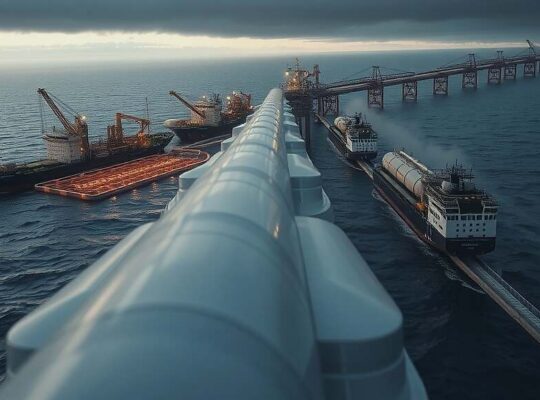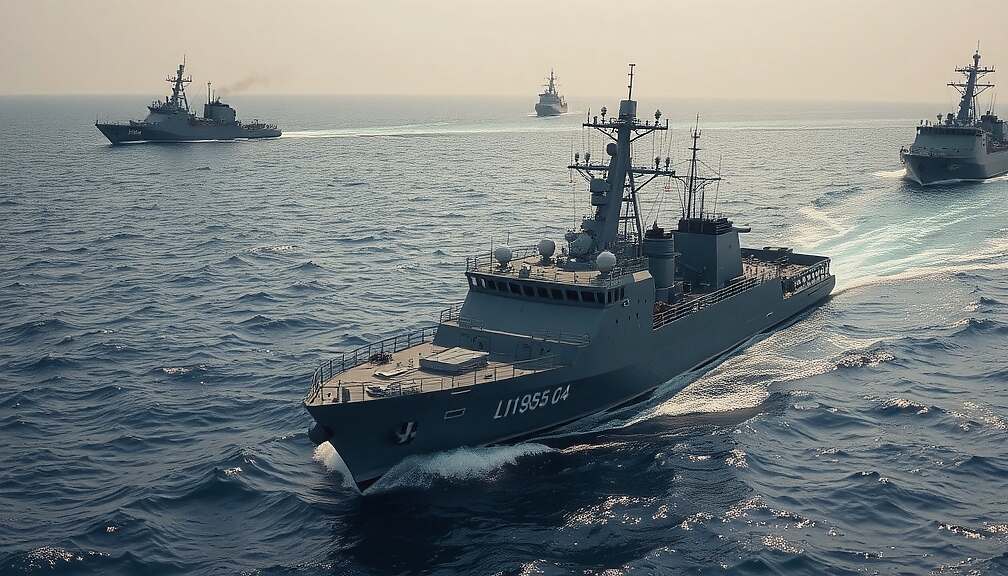
Foreign Minister Johann Wadephul (CDU) has brought up the issue of Iran contributing financially to a potential European mine clearance mission in the Strait of Hormuz ahead of the upcoming NATO summit. According to statements given to the “Handelsblatt”, Wadephul asserted that the Iranian regime has illegally mined an international shipping lane.
If Europe undertakes the task of clearing this passage, Germany would not initially charge fees for the effort. However, he stated that it would be fundamentally justifiable and the cost should fall to Iran because the actions caused damage by the regime. Furthermore, Wadephul advocated for a timely decision regarding a German federal military deployment in the Strait of Hormuz, ideally being made this summer.
Despite recent Russian attacks on Ukraine, the Minister intends to maintain Germany’s current trajectory of support. He believes that these events reinforce the necessity of continuing along the existing path. Should the summit in Ankara send a unified signal supporting Ukraine, he argues that the NATO gathering could evolve into a peace summit. Russia must understand that negotiations are the only viable alternative, and European nations stand ready to facilitate such a process, which promises the greatest chance of success.
In addition to these security concerns, Wadephul proposed sparking a debate about the frequency of NATO summits. He expressed openness to scheduling meetings even if there were no urgent items to discuss; alternatively, he suggested that smaller working groups could meet regularly between major summits. However, he noted that the schedules of heads of state and government are now heavily committed to fixed formats far in advance. Compared to previous generations of politicians, this rigidity makes governments less flexible, raising questions about whether the alliance truly needs a summit every year.