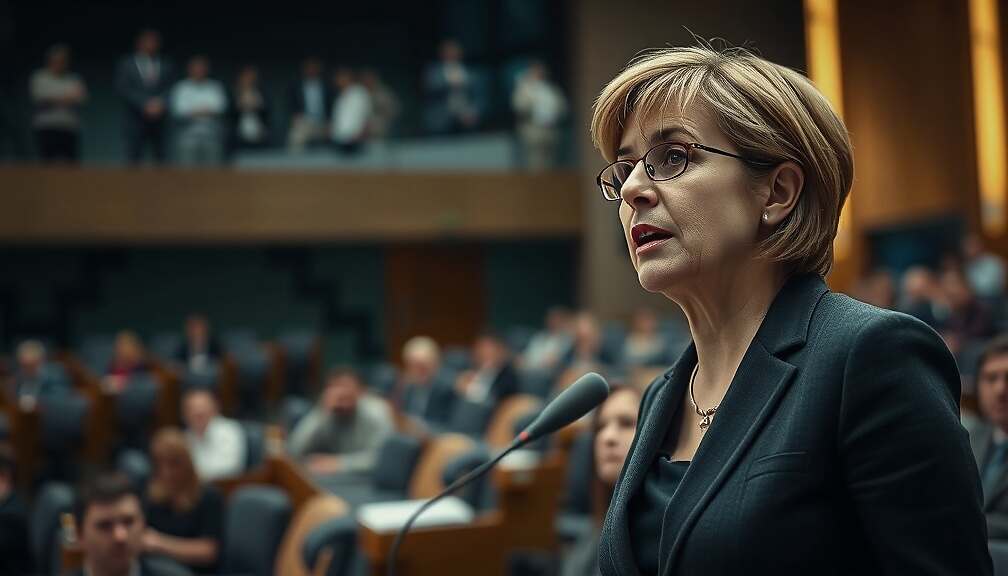
Mecklenburg-Vorpommern Minister-President Manuela Schwesig (SPD) is strongly opposing further extensions of the retirement age. Specifically, she is criticizing the proposal put forward by a federal government pension commission to eliminate the pension entitlement after 45 years of contributions.
Speaking on the “Politico” magazine’s Berlin Playbook Podcast, Schwesig stated, “I took a position from day one and said that we absolutely cannot go along with this.”
This stance is not unique to her; she noted that seven other Minister-Presidents across Germany, regardless of region or party affiliation (including SPD and CDU), share this view. Furthermore, she pointed out that 81 percent of Germans perceive the proposed reform as unfair.
Schwesig grounded her criticism in the reality of people’s actual working years. She argued that those who dedicate 45 years to working and contributing are, by far, the longest contributors to the system, while the national average stands at only 37 years. Therefore, she insists that actual contribution years must remain a factor: “I am clearly in favor of keeping the current rules.”
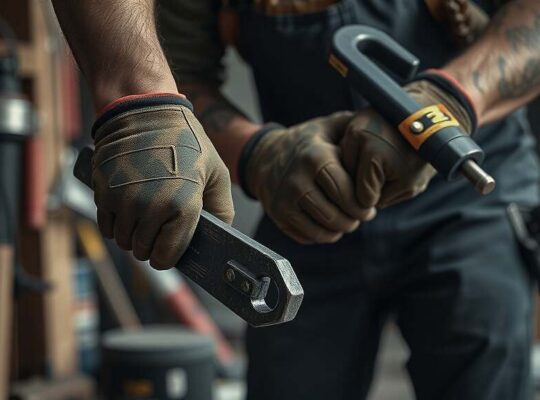
She stressed that the reform would hit people engaged in physically intensive labor the hardest. She questioned the idea that a welder, shipyard worker, or electrician performing grueling, shift-based labor could simply be dismissed without consequence. If a worker began their training at age 16, they would be 61 after 45 years. Under the revised rules, they would then need to work four additional years until age 65, meaning they would effectively work 49 years-a situation she deems “mega unjust.”
In addition, she believes that caregivers should not be disadvantaged by the reforms. She emphasized that women who provided care for their children or parents at home, thereby lightening the burden on the system, should not lose out on pension points because of these changes.