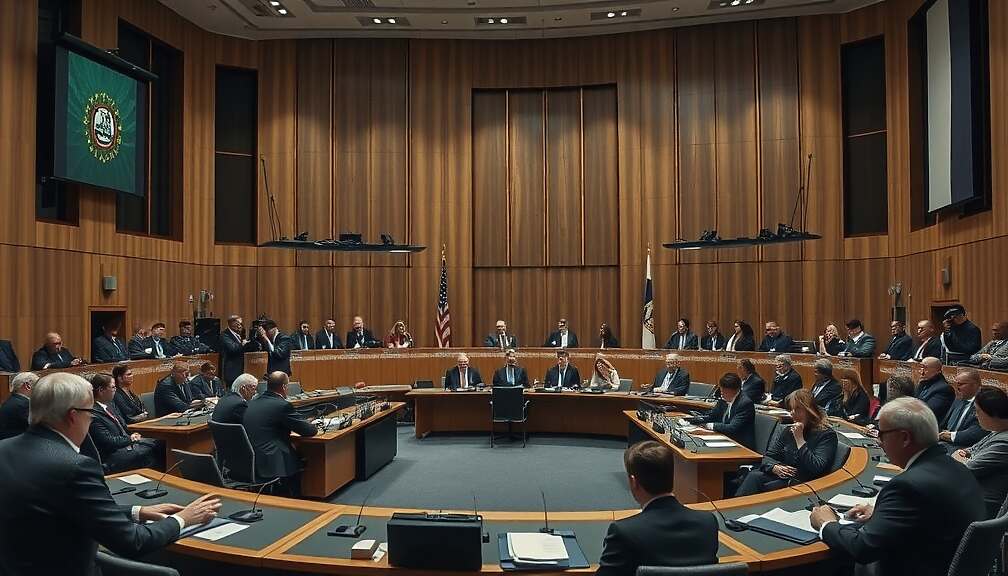
EVP leader Manfred Weber (CSU) is urging for a swift decision regarding external border deportation centers outside the EU and further strengthening of asylum rules. Speaking to media outlets of the Funke publishing group, Weber emphasized that he can no longer tolerate any further delays, stressing that this represents the final element required for Europe’s migration shift. He insists that the planned regulation must immediately become enforceable law without requiring national implementation. “We must take decisive action now” he stated.
Negotiators from European institutions are meeting in Brussels on Monday to finalize the planned package of legislation. Last week’s discussions were initially unsuccessful. Although it had previously been indicated that all outstanding questions had been thoroughly debated and tentatively agreed upon, disagreements persisted regarding the activation date of the new regulations, with several countries demanding more time for implementation.
Weber recounted that he successfully placed a veto in parliament against the member state debate suggesting a two-year postponement of the regulation’s application. He wants the new rules to take effect this summer. “Important elections are coming up in France and Poland next year. We need results on deportation now” he argued. Currently, only 20 percent of deportations of persons whose stay is required to end are being enforced across the EU. He insisted that the bloc must ensure that those not legally residing in Europe leave the continent.
The proposed centers are intended for rejected asylum seekers who cannot be returned to their home country. Furthermore, new duties and obligations are planned for asylum seekers regarding their deportation process. Additionally, detention for up to two years or more may be possible if there is a risk of flight or a threat to security. This push for reform has caused controversy; last March, Weber and his faction in the European Parliament were heavily criticized after it emerged that some EVP members had adjusted their views in preparation for the reform by coordinating with parliamentarians from the far-right.