The World Health Organization (WHO) has determined that the transmission of the Hantavirus in recent outbreaks appears to have occurred from person to person, though it rated the risk to the global population as low in a statement issued Tuesday. The WHO noted that it will continue to monitor the situation closely.
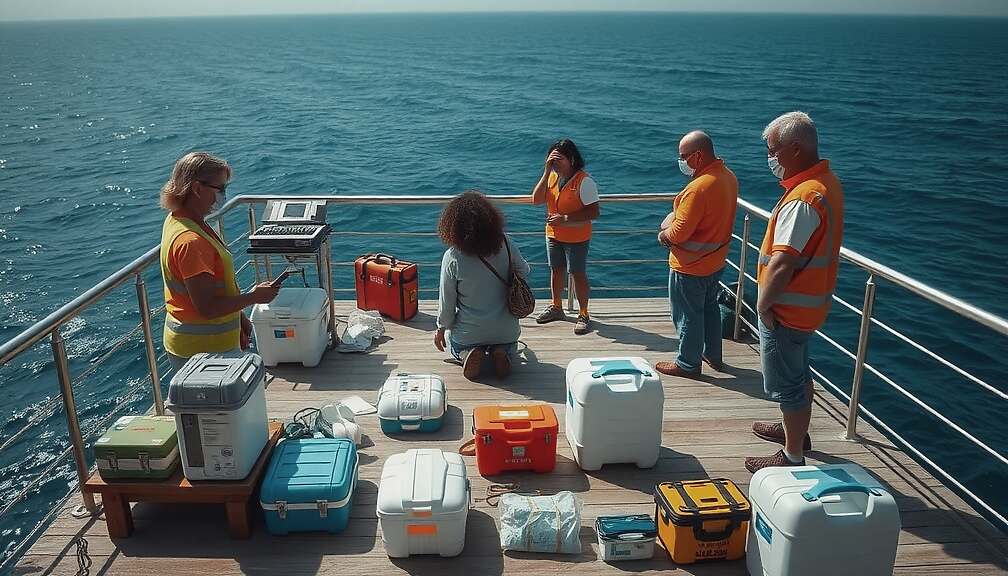
The current case stems from the MV Hondius, which departed Argentina for Cape Verde since April 1st. Of the 147 passengers and crew, seven people have become infected: three have died (including one German national), one is in critical condition, and three others exhibit mild symptoms. As of yet, the vessel remains under quarantine off the coast of Cape Verde.
Normally, Hantaviruses spread to humans through contact with contaminated urine, feces, or saliva from infected rodents, or through rodent bites. While human-to-human transmission has been documented before-specifically for the “Andes Virus” group-the WHO stressed that such transmission is rare. When it does occur, it is typically linked to close and prolonged contact, particularly within a household or among partners. According to the WHO, the infection is most likely to happen during the early phase of the illness when the virus is highly contagious.
Symptoms can appear between one and eight weeks after exposure. Initial symptoms generally include fever, headache, muscle pain, and digestive complaints such as stomach pain, nausea, or vomiting. However, later complications can be serious, including coughing, shortness of breath, pulmonary fluid accumulation, shock, low blood pressure, bleeding disorders, or kidney failure, all of which carry the risk of fatality.