In light of the military escalation in Iran, migration experts caution that new movements toward Europe could emerge, although they see the obstacles for migrants as much higher than in previous years.
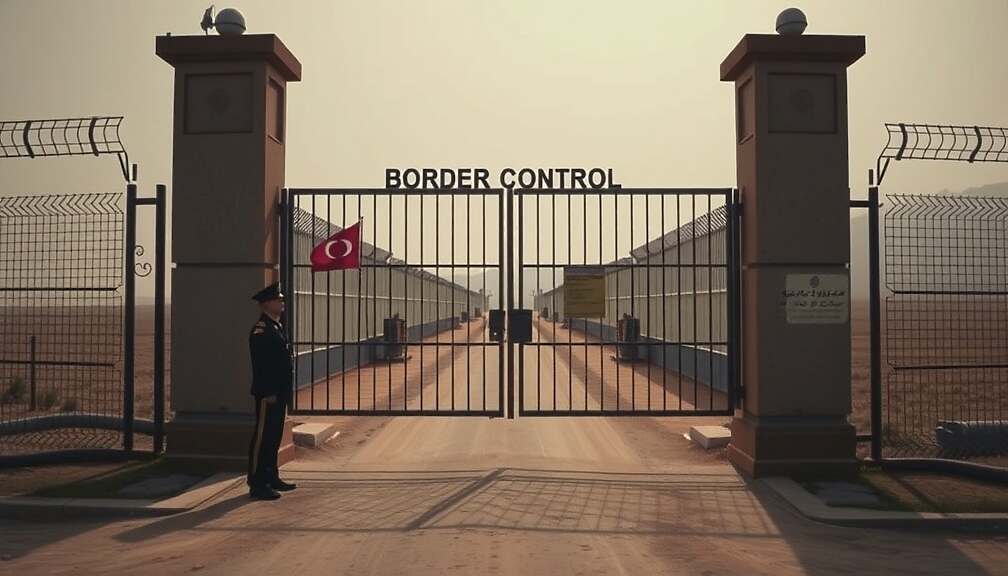
According to Konstanz migration researcher Daniel Thym, Turkey will play a central role. Ankara has massively expanded its border fortifications with Iran and Syria in recent years and now consistently combats “irregular migration”. Thym told “Handelsblatt” on Monday that “Turkey functions as a gatekeeper or buffer, keeping irregular migration flows away from Europe for the time being”.
Whether a mass exodus actually occurs depends, Thym argues, on Iran’s internal stability. The key question is whether the country will fracture from internal attacks, perhaps through uprisings by opposition movements or ethnic groups. “If that does not happen, the number of escape movements will likely remain limited-certainly not zero but not a mass exodus either” he said. Yet if large‑scale flight should occur, Germany would once again be one of the main destination countries within Europe.
Winfried Kluth, chair of the Expert Council on Integration and Migration, nevertheless urges the federal government to take preventive measures. “Given the traditionally strong ties between Germany and Iran, it is sensible to make appropriate preparations” Kluth said to “Handelsblatt” on Monday. He added that Germany and the EU are better equipped today than in the past. Thanks to the new EU asylum reform and a “careful assessment” of existing refugee accommodation in municipalities, a structured response to any potential rise in refugee numbers seems feasible.