According to Clemens Fuest, president of the Munich Ifo Institute, new elections represent the best path forward if the federal government proves unable to reach an agreement on necessary structural reforms. In an interview with the “Neue Osnabrücker Zeitung”, Fuest suggested that while calling for new elections-even if the process takes several months-is advisable when required reforms stall, the current security situation demands that the government urgently find an economically viable policy consensus.
Fuest is a proponent of tax reform, arguing that lowering taxes could provide a needed economic stimulus. He cautioned that simply waiting with economic relief measures is not sensible. While tax cuts can certainly support economic momentum, if the ultimate goal is to ensure people permanently retain a higher proportion of their earnings, the long-term viability of lower taxes and levies depends entirely on a reduction in state expenditures.
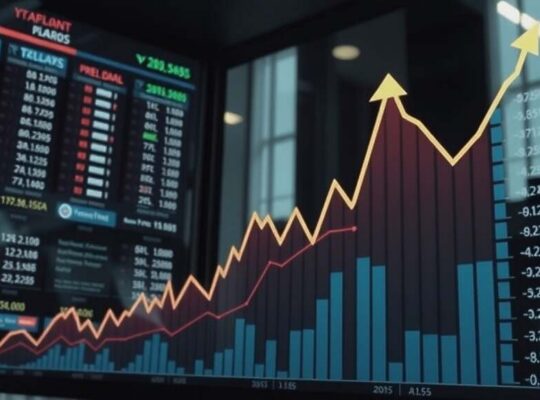
He pointed out that state spending has increased massively over recent years. The proportion of state spending relative to the gross domestic product (GDP) stood at 45 percent in 2019, rising to 49 percent today. Fuest warned that rising defense costs are set to drive these expenditures even higher in the coming years. Therefore, if the government aims to cut taxes or avoid further increases, it must urgently reduce other areas of spending. However, he stated that the federal government must refrain from further raising the already heavy tax burden placed on entrepreneurs and investors.
Furthermore, Fuest spoke out against renewing the gas rebate, which expires at the end of June. Instead, he advocated for targeted assistance aimed specifically at low-income households. He argued that while German policy cannot eliminate the costs associated with higher energy prices, it can redistribute them. This means increasing costs for some segments of the population while mitigating them for others. To achieve such a transfer, he recommended direct payments targeting low-income households. He concluded that the gas rebate disproportionately benefited higher-income groups, making its expiration beneficial.