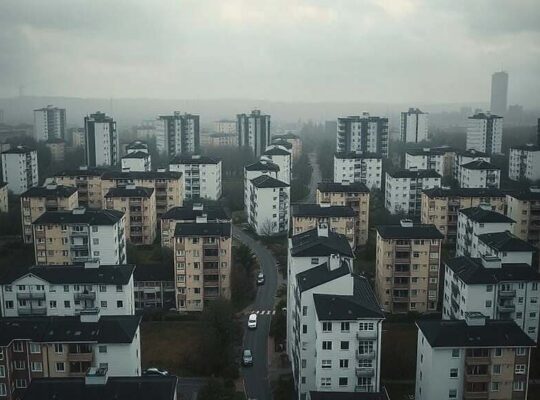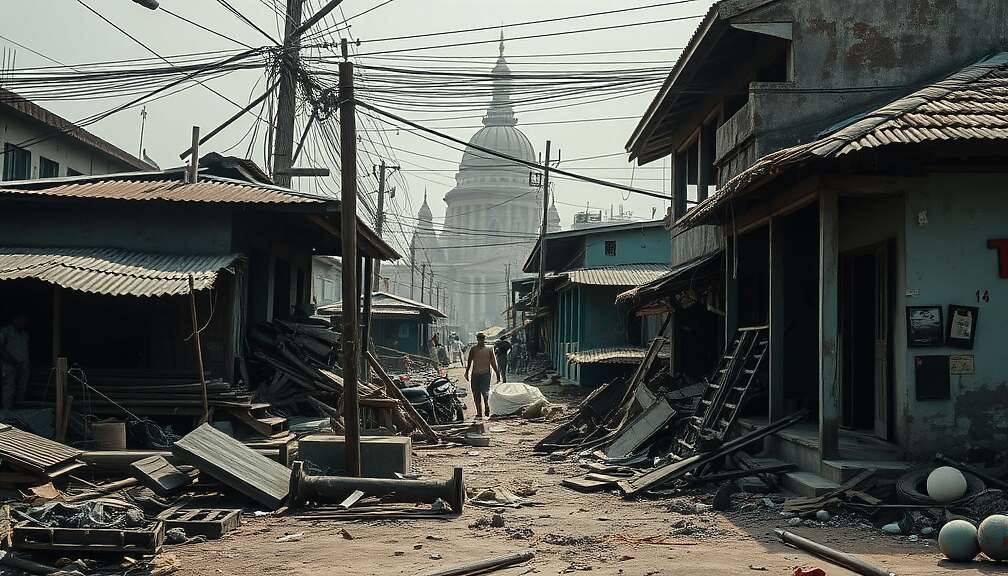
The United Nations has accused the military in Myanmar of being responsible for the deaths of more than 700 civilians within a six-month period last year.
A report published by the UN on Monday confirmed at least 702 fatalities spanning the period from August to January. The casualties included 224 women and 153 children. This period covers the six months following the military junta’s announcement of elections, an event widely criticized internationally as a farce because key opposition parties were barred from participating. The junta had seized power five years prior.
UN experts warn that the ongoing humanitarian situation is worsening due to a decrease in international aid funding, further escalating the suffering of millions. The 2021 military coup triggered a civil war, resulting in thousands of deaths and the displacement of millions. Large parts of the country remain controlled by armed opposition groups.
The United Nations Human Rights Office reports that airstrikes are the “most significant cause of destruction and suffering.” The Sagaing region, specifically identified as the “most dangerous area for civilians,” was particularly hard hit, where 191 people died, including 60 women and 30 children. During an attack in October in Chaung-U (Sagaing), 23 people were killed and over 60 injured when projectiles struck a crowd gathered in front of a school. These participants had assembled for a candlelight ceremony to mark the end of the Buddhist Lent and to protest compulsory military service and the junta’s elections. Furthermore, a military aircraft bombed a tea house in Tabayin (Sagaing) in December, where people were watching a football match, resulting in the deaths of at least 19 and injuries to 20 others.
The report also documents abuses against the Rohingya population, including forced conscription by the Arakan Army, as well as incidents of killings, arbitrary arrests, and sexual violence.
UN Human Rights Commissioner Volker Türk noted that the people of Myanmar have already been severely affected by the military and are now being forgotten by the international community. He stressed that the withdrawal of local protection measures, which had previously offered a measure of comfort, is exacerbating the crisis.
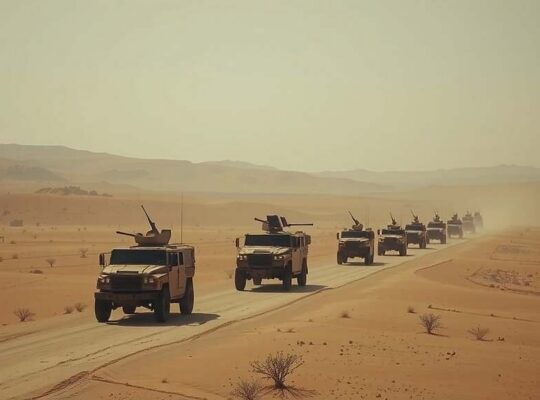
The military had overthrown the democratically elected government five years ago and imprisoned its leader, Aung San Suu Kyi. While rebels gained significant territory over two years ago, they have since been placed on the defensive. Methods such as forced conscription and the increased use of drones have allowed the military to resume offensive operations across most regions.
In April, coup General Min Aung Hlaing was appointed president. However, many popular parties were not permitted to run in the elections, and the civil war rendered large areas unable to participate. The parliament is filled with junta loyalists, and a quarter of the seats are automatically reserved for the military. The military party, the USDP, won nearly 80 percent of the remaining seats in an election heavily deemed manipulated by international observers.