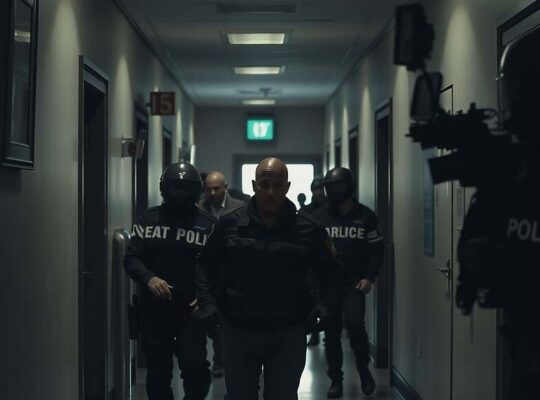
Gerhard Schindler, the former president of the Federal Intelligence Service (BND), has indicated that he is open to restricting the activities of former intelligence operatives after they leave official service, prompted by the arrest of his predecessor, August Hanning.
Schindler told “Redaktionsnetzwerk Deutschland” (Thursday editions) that former intelligence officials are currently not prohibited from remaining professionally active. However, he stressed that revealing secrets is certainly forbidden, something he personally would not do. He further stated that he has no objections if Parliament were to regulate these activities more strictly, suggesting that his own experience could be useful in determining which regulations are practical and which are not. At the same time, he pointed out that it is not only former intelligence personnel who remain active after leaving their posts, but also numerous police officers and ministers-a situation he described as commonplace.
Hanning has been held in pre-trial detention since Tuesday. The Federal Court of Justice accuses him of intelligence agent activities, treasonous espionage, reconnaissance of state secrets, and attempted treason. Hanning’s defense attorney rejects these charges. While acknowledging that Hanning possessed confidential documents, the defense maintains that the accusation that he disclosed information detrimental to the Federal Republic of Germany-let alone for financial gain-is unfounded.
The arrest has led to demands that former intelligence officials be completely or partially prohibited from engaging in activities related to their former jobs during retirement. This concern was highlighted by former BND presidents, particularly with reference to their high pension benefits. However, according to “Redaktionsnetzwerk Deutschland,” previous attempts at such regulations have consistently been blocked by the Federal Ministry of the Interior.