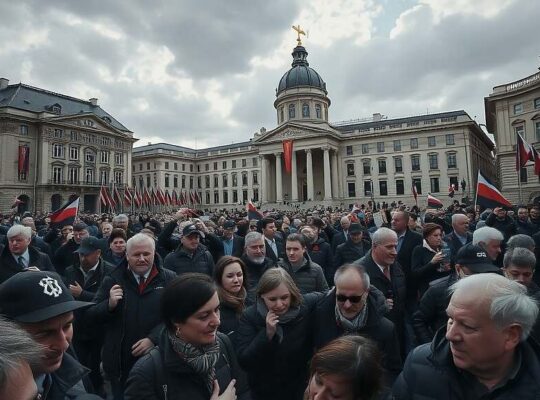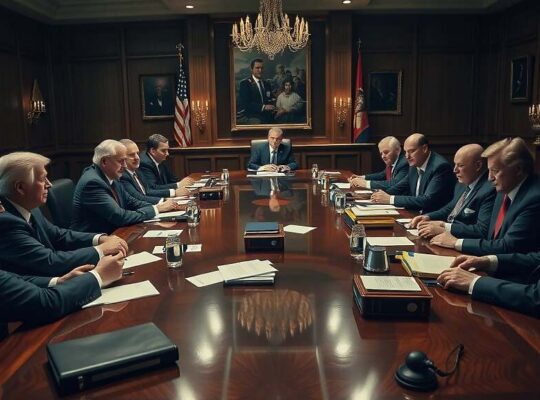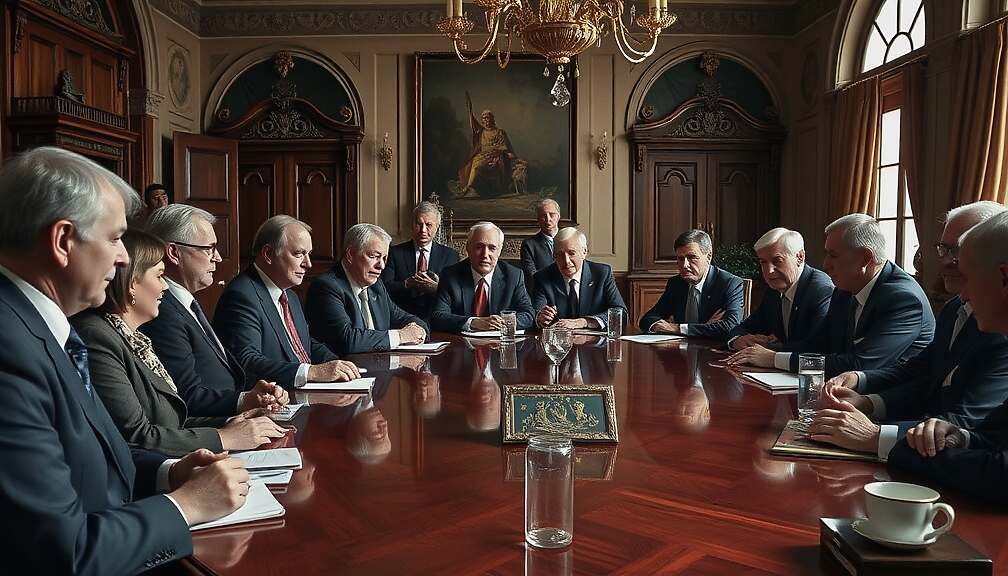
During the high-level meeting involving the CDU, CSU, and SPD at the Villa Borsig in Berlin over the weekend, internal conflicts appeared to be far deeper than previously known. According to the newspaper “Spiegel” reports gathered from multiple coalition members indicated that discussions were so contentious that there were moments when suspending or postponing the negotiations at Tegelsee were considered. However, sources from government circles suggested that because all parties recognized they could not address the public without a signal for relief payments, they ultimately managed to reach a consensus.
“Spiegel” noted that criticisms regarding the negotiation tactics were exchanged by both sides. The CDU faction had proposed reducing the payment of wages during illness and implementing a mandatory quarantine day, as reported by the “Bild”. The SPD deemed these demands unacceptable, viewing them as provocations. Furthermore, it was revealed that the CDU suggested eliminating the legal public holiday on May 1st, which the Social Democrats considered a major insult. According to the news magazine, the SPD also contended that negotiations concerning an income tax reform had been well advanced but were unexpectedly halted by the CDU.
Conversely, the reports stated that the SPD was unwilling to make concrete commitments, such as those requested by the CDU, regarding healthcare reforms. From the CDU’s perspective, the SPD’s insistence on a windfall tax for oil conglomerates had needlessly complicated the proceedings, with the accusation that the SPD was being driven by pressures from labor unions and the party’s left wing.
The SPD insisted, according to “Spiegel” that there had been a commitment from Federal Chancellor Friedrich Merz (CDU): that the SPD would support a windfall tax if the European Union passed such a regulation. This compromise was ultimately incorporated into the final negotiation outcome.
Regarding the reasons for the protracted and difficult proceedings despite intensive preparation, the report cited conflicting accounts within the coalition. The SPD suggested a “political management problem” with the coalition partner, claiming that the respective levels were unaware of agreements made between the coordinating bodies or party leaders.
The CDU refuted this criticism, asserting that the process was structured to ensure that every party remained fully informed throughout. Furthermore, the detailed nature of the negotiations-referring to the “Sherpa Round” involving the Federal Chancellery head Thorsten Frei (CDU), Federal Secretary of State for Finance Björn Böhning (SPD), and Federal Minister of the Interior Alexander Dobrindt (CSU)-was supposed to demonstrate the depth of the coalition discussions. The CDU added that every statement was prepared, ruling out any talk of a lack of coordination.
Throughout the weekend, the leaders of the CDU, CSU, and SPD met at the Villa Borsig, the Foreign Office guest house, discussing reforms to social systems, budget savings, and relief measures for citizens facing the energy crisis. After nearly 24 hours of negotiations, the party leaders presented a three-way agreement on Monday. The main elements included a temporary reduction in the energy tax on diesel and gasoline, and an option for employers and employees to agree to a tax- and social security-free relief bonus of €1,000.