The political left, represented by the Chairwoman of Die Linke, Ines Schwerdtner, criticized the Federal Government’s measures to mitigate fuel price increases as insufficient. Schwerdtner told the Funke Media Group that while a price cap and lower taxes might offer temporary help, they are merely a temporary fix. She argued that what is critically missing is a concrete long-term plan to ensure energy remains affordable and does not become a luxury good. She stressed that as long as Germany remains dependent on international sources of oil and gas, the next price shock is only a matter of time. Therefore, she demanded that the government simultaneously increase pressure for diplomatic solutions and accelerate the transition to renewable energies, advocating for a strategy of enduring affordability rather than just aid until the next crisis.
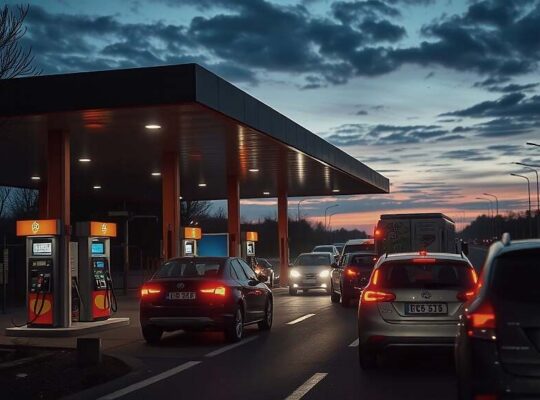
Similarly, the German Social Welfare Association (SoVD) viewed the government’s fuel cost reliefs as mixed. Michaela Engelmeier, the SoVD Chairwoman, acknowledged that prompt action was necessary to assist citizens. However, the association rejected ‘firehose solutions’ like tank discounts, arguing that these measures cost the state millions, often benefiting those who did not need assistance, making them unsolidaristic. While she supported the price cap as a sensible way to protect consumers from sudden hikes, she expressed disappointment that windfall profits generated by the crisis were not being seized more decisively. Furthermore, Engelmeier urged the coalition to look beyond just pump prices, calling for immediate focus on high heating and electricity costs ahead of the autumn and winter seasons.
Ramona Pop, the Chairwoman of the Federal Association of Consumer Organizations (VZBV), criticized the government’s planned measures for being poorly targeted. She described the government’s reliance on blanket subsidies as “expensive, shortsighted, and badly aimed,” asserting that relief should primarily target low and medium-income households while also addressing the impending heating season. Pop warned that a short-term reaction at the fuel pump cannot substitute for a well-thought-out concept for rising energy costs. She stressed that true foresight requires a determined reduction in reliance on fossil fuels, preventing every global political crisis from immediately impacting consumers at the pump or in the heating basement.