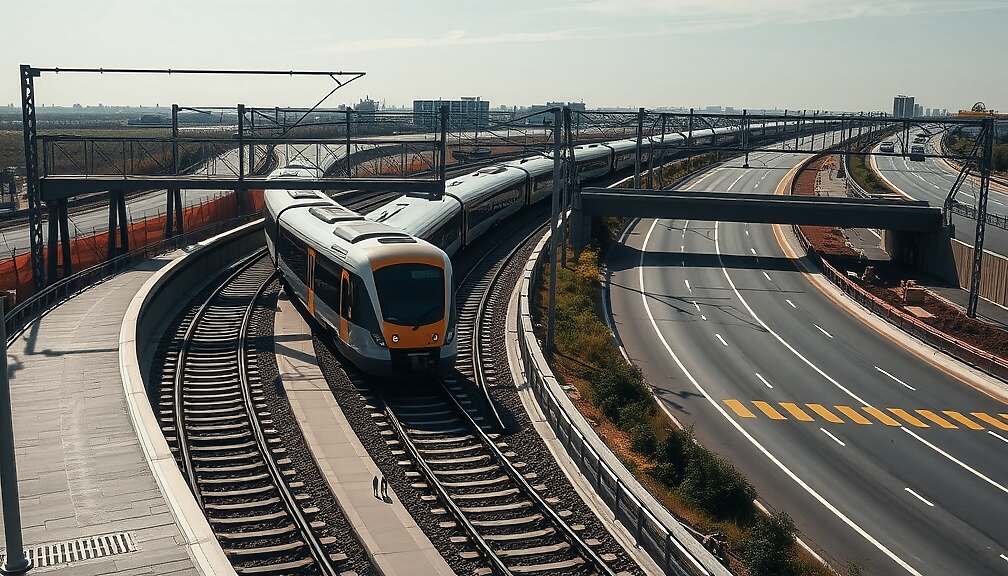
Economic expert Achim Truger believes that the special fund established for infrastructure and climate protection is unlikely to amount to a fleeting economic blip. He forecasts that this fund, coupled with rising defense spending, should drive a noticeable increase in infrastructure investments, particularly in the second half of the year-specifically in highways and rail. He views the combination of these public expenditures as a clear impetus for the economy, and because this funding is expected to last, he does not foresee a “flash in the pan” scenario.
However, Truger warns that external factors could potentially stall the slow recovery. He identifies U.S. President Donald Trump as the greatest risk to the economy. He argues that if Trump were to initiate a trade war or escalate the conflict with Iran, those actions could easily derail Germany’s economic progress.
Regarding politics, Truger is skeptical that the AfD’s electoral victory in Saxony-Anhalt poses a threat to the German economy as a whole. While he suggests the region itself could experience economic difficulties due to extended government formation periods or future challenges like skilled labor shortages, he considers the national impact negligible. Nevertheless, he cautions that if the electoral result leads to broad political instability and uncertainty across the nation, an economic impact is possible.
On a positive note, Truger highlights that Germany’s foreign trade sector is stronger than previously estimated. For years, exports-traditionally the main pillar supporting German growth-had been stagnant, significantly contributing to the industry’s decline. However, surprisingly, growth derived from exports picked up significantly during the first two quarters of 2026, improving the industrial situation.
If this positive export trend continues, Truger concludes that the German economy stands to gain momentum from two directions: external trade and public investment. He assesses that this influx of stimulus could lead to a self-sustaining boom, ultimately causing private investment and consumer spending to accelerate robustly.