German Government Declines to Comment on Nationwide Public‑Transport Strike, Citing Tariff Autonomy Rights
February 2, 2026
31422 Views
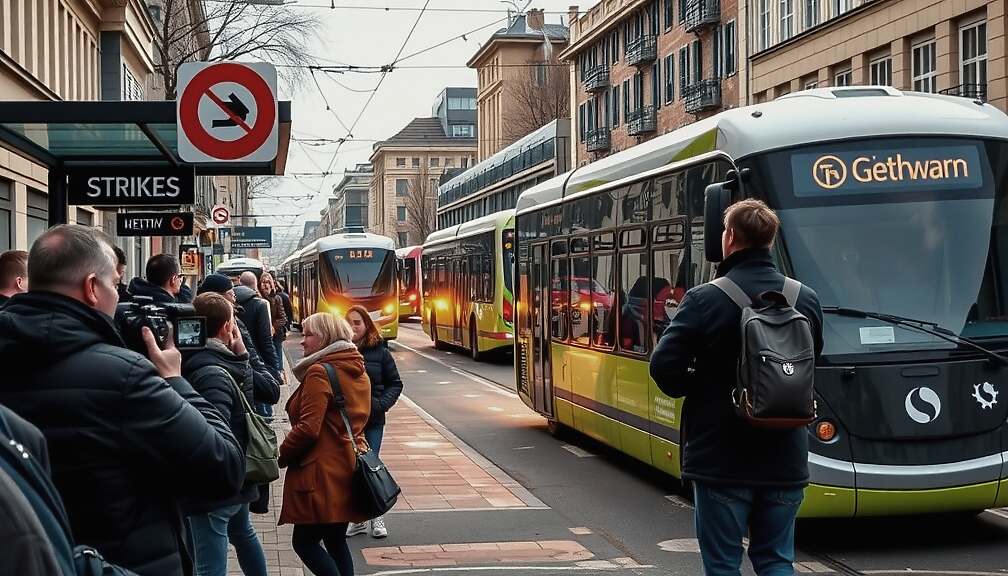
Germany’s federal government has chosen not to comment on the nationwide public‑transport strike that is causing significant mobility restrictions across the country. A spokesperson for the Ministry of Labour explained that wage negotiations, and consequently the right to strike, are conducted by the social partners and are constitutionally protected from state intervention. “There is wage autonomy. We do not interfere, so we will not comment on this either” the official said in Berlin on Monday in response to a question from the dts news agency.
Chancellor Friedrich Merz, a member of the CDU, has repeatedly called for increased overall work in Germany. In contrast, the trade union Verdi is demanding shorter weekly work hours and reduced shift lengths in the current wage talks.
Deputy government spokesperson Steffen Meyer, however, does not see a direct link. “In the discussion we are having, it is about ultimately raising the overall workload in Germany. That applies in general, but it is entirely independent of respecting the daily contributions that workers make”.


Germany’s federal government has chosen not to comment on the nationwide public‑transport strike that is causing significant mobility restrictions across the country. A spokesperson for the Ministry of Labour explained that wage negotiations, and consequently the right to strike, are conducted by the social partners and are constitutionally protected from state intervention. “There is wage autonomy. We do not interfere, so we will not comment on this either” the official said in Berlin on Monday in response to a question from the dts news agency.
Chancellor Friedrich Merz, a member of the CDU, has repeatedly called for increased overall work in Germany. In contrast, the trade union Verdi is demanding shorter weekly work hours and reduced shift lengths in the current wage talks.
Deputy government spokesperson Steffen Meyer, however, does not see a direct link. “In the discussion we are having, it is about ultimately raising the overall workload in Germany. That applies in general, but it is entirely independent of respecting the daily contributions that workers make”.
Tags:
AutonomyCitingCommentDeclinesGermanGovernmentNationwidePublic‑TransportRightsStrikeTariffRelated
Schwesig Targets Stable Government in Mecklenburg-Vorpommern Amid Complex
German State Elections Underway in Berlin and Mecklenburg-Vorpommern,
German General Appointed Chairman of NATO Military Committee
Oil Industry Warns of Supply Risks from Proposed
Germany Launches ‘German House’ at Davos to Market
IG Metall Blasts Auto Industry Management for Crisis
Nearly Third of German Employees Use Unauthorized AI
Critics Slam Government Fuel Price Measures as Short-Sighted
Economists Warn: AfD Government Risks Economic Disaster and
German Government Approves Fuel Price Relief Package Including