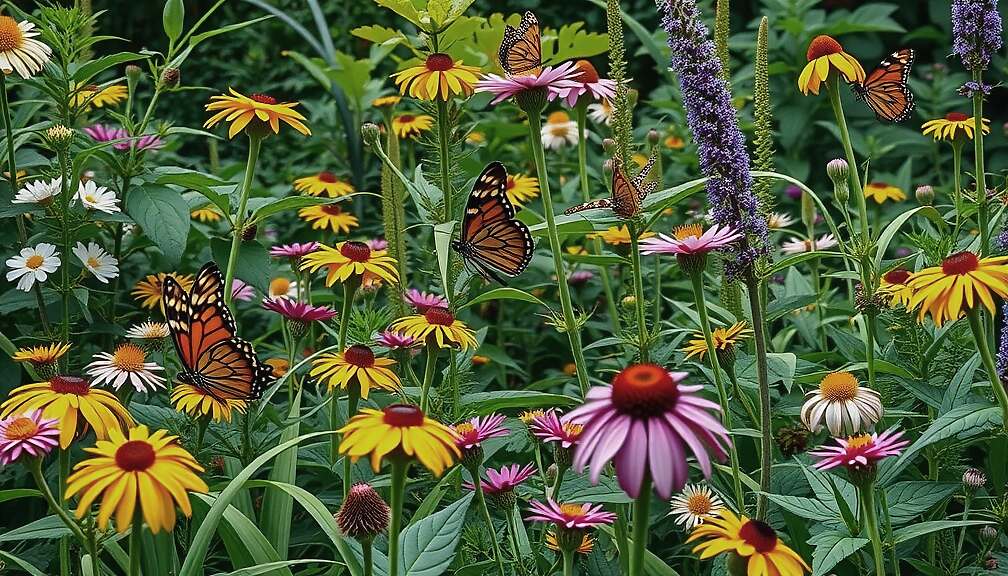
German homeowners are increasingly committed to preserving biodiversity in their gardens. According to a survey conducted by KfW-Research, a significant majority of households with gardens now avoid using pesticides and synthetic fertilizers-93 percent. Furthermore, 79 percent of these households deliberately select plants that serve as food sources for native birds, while 81 percent avoid non-native or invasive plant species.
In terms of supporting wildlife, 82 percent of homeowners place nesting boxes or feeding stations in their gardens. Factoring in all four measures-avoiding pesticides, choosing native plants, preventing invasive species, and providing support structures-nearly half of the surveyed households are implementing comprehensive practices for nature-friendly gardening. KfW-Research found that 60 percent of Germany’s 41 million households own a garden, with these residences being more common in rural areas.
Dirk Schumacher, Chief Economist at KfW, emphasizes the crucial economic role of biodiversity, stating, “Biodiversity is a critical economic factor.” He explained that only healthy nature can consistently provide essential resources such as drinking water, food, medicine, and fertile soil, while also offering protection against heatwaves and flooding. Schumacher added that approximately two-thirds of the EU’s value creation relies on these ecosystem services, and the loss of them poses serious risks to economic growth and inflation.