The new Federal Transport Minister, Steffen Bilger of the CDU, intends to focus his tenure on expanding and modernizing Germany’s infrastructure. Bilger stated on Wednesday during the ARD evening news that he plans to invest the available funds swiftly. His mandate, he emphasized, is clearly defined: ensuring that the numerous infrastructure billions are implemented moving forward. Germany, he believes, must advance future mobility solutions so that citizens can experience tangible improvements in their daily lives.
Bilger took over the transport ministry during a challenging period, as his predecessor, Patrick Schnieder, was dismissed on the same day. He did not specifically address potential mistakes made by his former colleague, but stressed his ambition to pull the image of Germany’s infrastructure out of the headlines.
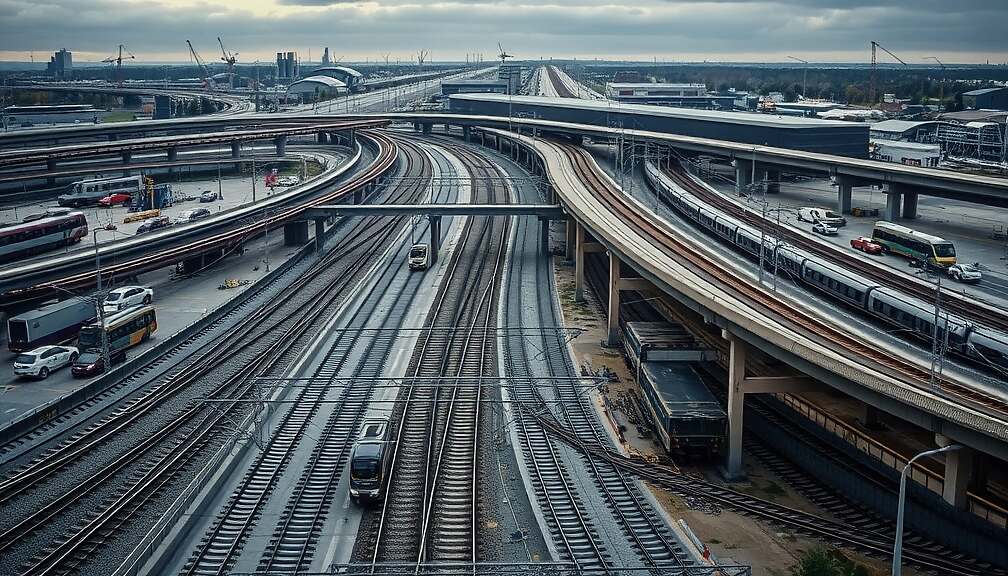
Central to the new minister’s goals is the implementation of planned record investments, totaling approximately 170 billion euros over the next four years. This money must now be channeled into projects concerning roads, railways, and waterways. While construction sites will initially present burdens, Bilger hopes the situation for both rail and car passengers will improve in the long run.
Hailing from Ludwigsburg in Baden-Württemberg, Bilger describes himself as a transport policy expert with extensive experience. Since 2009, he has served in the Bundestag, and he previously served as a parliamentary state secretary in the Federal Transport Ministry from 2018 to 2021. Therefore, this new role feels, for him, like “a return home” to his area of expertise.
When asked about taking the ministerial post after an initial rejection by Fritz Günzler, Bilger dismissed the matter, stating that there are many qualified individuals in politics. Although he enjoyed his previous role as the chief parliamentary officer for the Union faction, he is now looking forward to working more intensively within the domain of transport policy.
Even within the Union faction, Bilger faces certain challenges. The new faction leader, Thorsten Frei, was elected with nearly 92 percent of the votes, yet there remains criticism from within the party base. Following the faction meeting, Bilger spoke of the discussion as being open and constructive, noting that while criticism was expressed, it was not destructive. He asserted that the faction must now focus on moving forward and fulfilling its governmental responsibilities.
Another critical issue for Bilger is the future of the German automotive industry. In Baden-Württemberg, his political home state, concerns about job losses and the difficult state of the sector are significant. Germany must continue developing innovative mobility solutions to secure both jobs and prosperity.
Bilger referenced his previous service in the transport ministry under Andreas Scheuer, citing experiences gained during various controversies, including the private car toll debate, the emissions scandal, and the COVID-19 crisis. He described those years as intense and illuminating, and he intends to utilize those experiences in his new role as Minister.