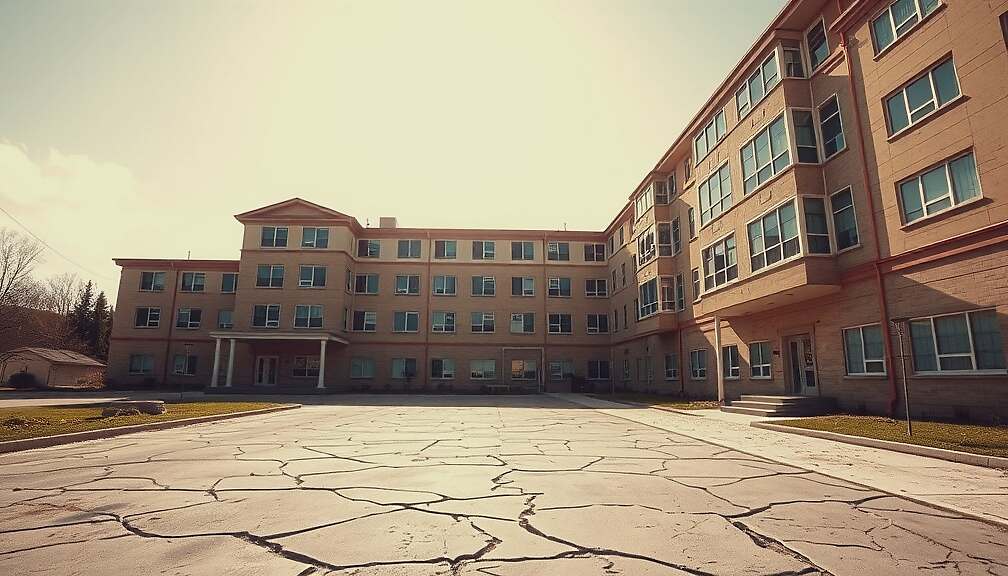
Caritas has urged the federal government to implement specific state aid measures for the energy-efficient renovation of social housing. Friedrich von Schönfeld, managing director of Caritas, stated in interviews with the Funke Mediengruppe that heat is “already the greatest health risk related to climate change in Germany today.”
He highlighted that vulnerable groups-specifically the elderly, people requiring care, individuals with disabilities, and children-are particularly exposed. Von Schönfeld emphasized that social facilities urgently need reliably and adequately funded support programs to best protect these populations during hot summer days.
Furthermore, Caritas called for welfare organizations to be more actively involved in developing heat protection and climate adaptation measures. “It is urgently necessary to consistently involve Caritas and other welfare organizations, leveraging their expertise and access to vulnerable groups, in the development of heat protection and climate adaptation measures at all political levels,” Schönfeld maintained.
According to Caritas, the network of independent welfare organizations manages approximately 100,000 buildings. Long-term, energy-efficient renovations could significantly reduce operating costs while also improving the CO2 balance. While these institutions are already putting in place various organizational measures to cope with heat, von Schönfeld noted that “structural and technical adaptations cannot be achieved on their own with empty coffers.”
This appeal comes amid increasing heatwaves across Germany. Experts consider extreme heat one of the most significant health risks posed by human-made climate change. Currently, the federal government, states, and municipalities are working on climate adaptation measures and protecting particularly endangered groups. Social institutions, nursing homes, and hospitals, in particular, face the challenge of adapting their buildings to rising temperatures.