Following the severe flash floods in the Himalayan region, Federal Chancellor Friedrich Merz (CDU) dispatched messages of condolence to Nepali Prime Minister Balendra Shah and Chinese President Xi Jinping.
In his communication to Shah, Merz stated deep distress over the catastrophic floods in Nepal, offering his heartfelt sympathy to the Nepalese people. He assured that their thoughts were with the victims, their families, and everyone who lost their homes, while wishing a rapid and complete recovery for the injured. Merz conveyed similar sentiments to Xi Jinping, noting that he had followed reports and pictures of the devastating flash floods in China with great dismay. He wished the injured speedy and complete recuperation.
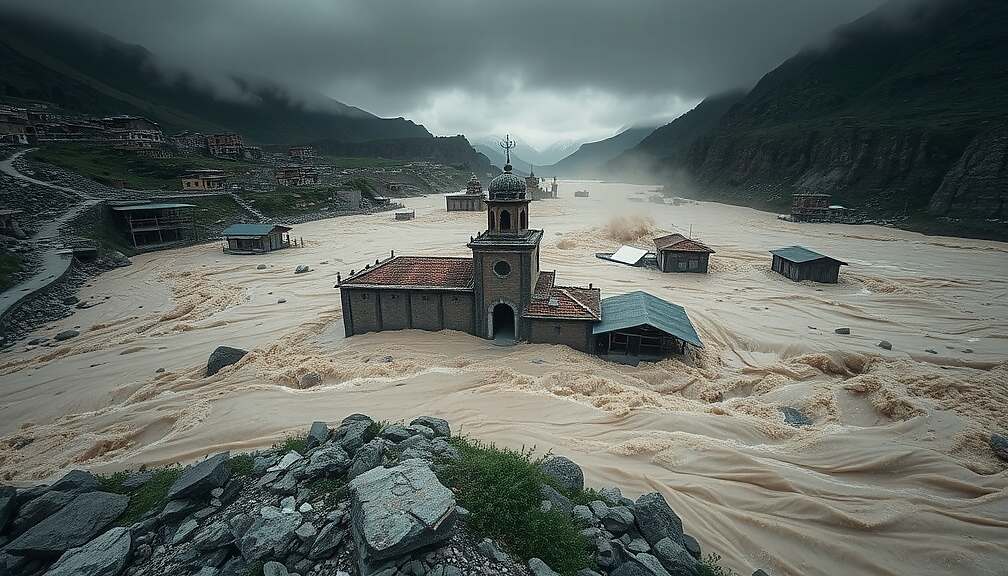
The disaster itself began on August 26, when a section of a glacier wall collapsed on the northern flank of Langtang Lirung in the Himalayas. This collapse triggered a deadly flash flood that swept through the Trishuli and Bhotekoshi rivers, burying dozens of villages. The incident resulted in the deaths of at least 500 people, left over 1,400 injured, and left more than 2,400 people missing.
Regarding the cause, climate scientists suggest that a definitive link to climate change will require lengthy reconstructions. However, human-induced global warming is widely recognized as the primary driver of global glacial retreat. In the affected area, glaciers have lost an average of about 30 meters of ice thickness since 1957, with the rate of this loss accelerating significantly in recent decades within the Langtang catchment area.