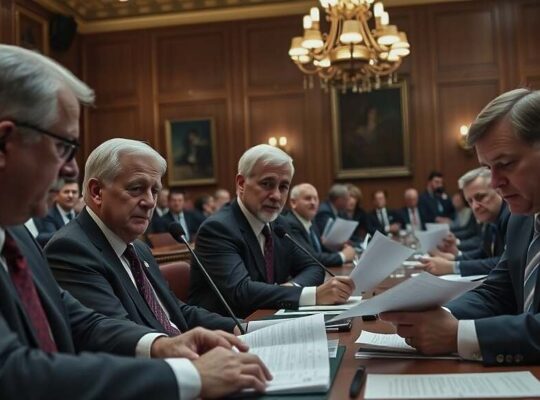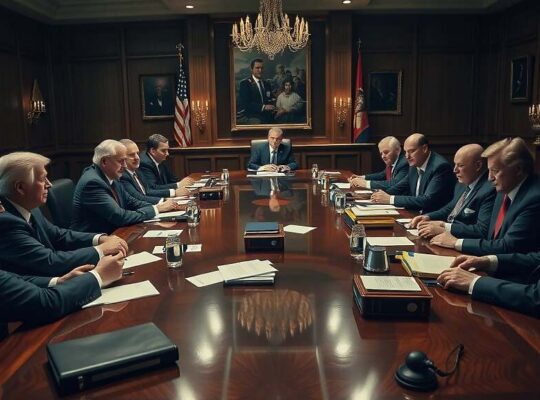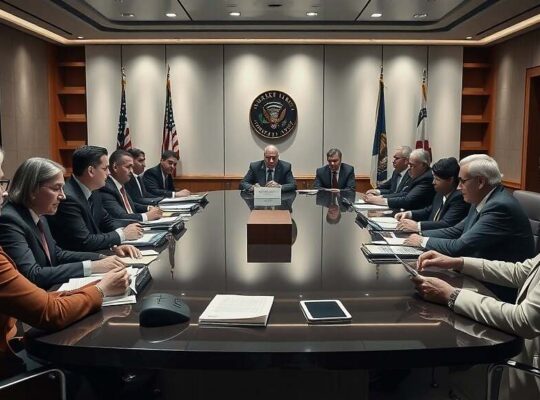
Parts of the Union are mounting resistance against pushing forward the planned tax reform-intended to provide relief for smaller and medium-income earners-during the coalition committee meeting scheduled for Wednesday.
Members of the CDU and CSU argue that constitutional obligations and the financial viability of further relief measures must be clarified first. Fritz Güntzler, the financial policy spokesman for the Union parliamentary group, stated that the tax rates must be adjusted in the autumn regardless, as required by the Federal Constitutional Court. He specifically referenced the necessity of raising basic and child allowances to ensure the minimum standard of living is secured, calling this a constitutionally mandatory implementation. Güntzler also deems it politically required to compensate for “cold progression”-tax increases resulting from inflation. “It would be important to implement both measures, but that is not an income tax reform. Anything beyond that we can do if it is financed within the budget,” he noted.
Sepp Müller, the deputy chairman of the Union parliamentary group and responsible for the economy, echoed similar sentiments. He emphasized that the immediate priority must be stabilizing social security contributions, which he believes is the fastest way to increase net income for people with smaller and medium salaries. Furthermore, this approach would alleviate labor costs for small and medium-sized businesses. Müller suggested that if more fiscal space becomes available in the coming years, a reduction in income tax should potentially follow.
Güntzler cautioned against premature action, noting that securing the minimum existence level and compensating for cold progression alone would cost approximately 21 billion euros over 2027 and 2028. “One has to look at that, and I advise against getting ahead of ourselves now,” Güntzler added. He expressed skepticism that the budget planning had accounted for this, arguing that a tax reform aimed at providing relief costs money, and he doubts the Union is willing to shoulder the costs without imposing additional burdens on top earners, heirs, or through a wealth tax.
In contrast, Marc Biadacz, the social policy spokesman for the Union parliamentary group, placed his priorities elsewhere given the current situation. He informed the newspaper that unemployment figures remained consistently above six percent, necessitating an urgent reaction through flexible working hours and additional measures. According to Biadacz, stabilization of the economy and a notable increase in new job placements can only be achieved in this manner, framing job security as the most critical issue, with all other matters being viewed within a comprehensive package.