To tackle the housing shortage in Germany, the federal government is planning a new investment vehicle. According to the newspaper Spiegel, based on a concept paper, a new module will be created within the existing “Deutschlandfonds” to specifically catalyze investments in residential construction.
The state development bank KfW is expected to act as the anchor investor, contributing €100 million, with the aim of mobilising private capital to reach a total fund volume of one billion euros. Housing Minister Verena Hubertz (SPD) told Spiegel that they have tasked KfW with preparing all the necessary procedural steps. The government intends to use this dedicated housing construction fund to test the market, thereby leveraging private capital to deliver more affordable and climate-friendly living spaces.
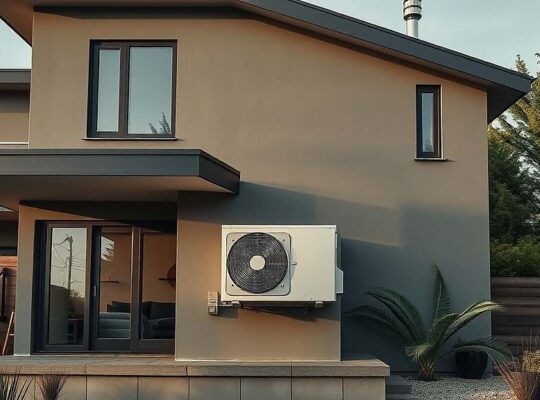
This effort aligns with the core principle of the existing “Deutschlandfonds,” which was established by the federal government in late 2025: using state resources to encourage private investment. Beyond social housing, the fund will finance new residential building projects with a capped rent of 15 euros per square meter. Furthermore, all buildings must meet stringent environmental requirements; this includes adhering to the “EH 55-Plus” standard, which dictates they must consume no more than 55% of the energy required by a standard house, and ensuring that all heating is sourced 100% from renewable energy.