Helena Melnikov, the CEO of the German Chambers of Industry and Commerce (DIHK), strongly criticized a bill proposed by Federal Environment Minister Carsten Schneider (SPD), warning that it could severely undercut the government’s efforts to expedite necessary infrastructure development. Melnikov told the “Rheinische Post” that the federal government should not artificially pit nature conservation against economic growth by halting the accelerated maintenance and expansion of infrastructure.
According to DIHK’s statement, Schneider’s draft law aims to enhance the protection of natural areas by placing nature reserves, the core zones of biosphere reserves, and specific peatlands into the category of “superior public interest.” While the legislative intent is to protect these areas from construction projects, the business community views this framework as directly jeopardizing plans for crucial infrastructure projects.
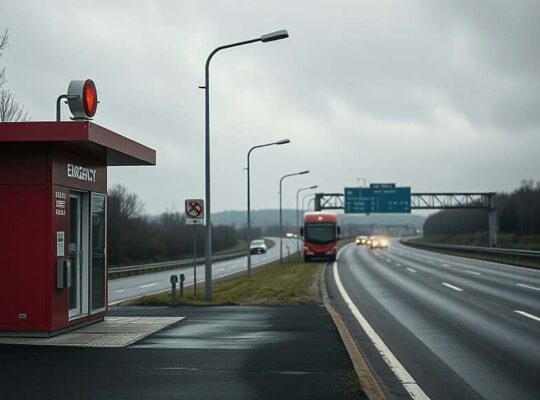
The DIHK warned that the law would significantly delay or halt projects that have not previously been deemed to be in the superior public interest. The affected projects include regional essentials such as bypass roads, commercial areas, harbors, and resource extraction sites.
Melnikov cautioned that the nature areas law would counteract the acceleration efforts recently established under the Infrastructure Future Act. She estimates that approximately 80% of all projects listed in the federal transport plan do not meet the criteria for “superior public interest” and could now face obstacles due to the priority given to nature protection. This would disproportionately affect local bypasses, commercial developments, and resource extraction.
“We cannot afford to continue moving at a snail’s pace or not at all,” Melnikov stated. She emphasized the vital role of regional industry, noting that about half of Germany’s gross value added is generated in rural areas. “If we fail our hidden champions in rural areas and many other businesses, we undermine Germany’s growth,” she added, appealing to the coalition partners to amend the proposal.
As of the time of reporting, it remained unclear whether Environment Minister Schneider’s contentious bill could ultimately be approved by the cabinet.